Cardiology Research, ISSN 1923-2829 print, 1923-2837 online, Open Access
Article copyright, the authors; Journal compilation copyright, Cardiol Res and Elmer Press Inc
Journal website https://cr.elmerpub.com

Review

Volume 17, Number 5, October 2026, pages 394-405


Type B Lactic Acidosis: Diagnosis, Etiology and Treatment – An Educational Review

Figures

↓  Figure 1. Normal aerobic pathway and anaerobic shift to lactate. ATP: adenosine triphosphate; CO2: carbon dioxide; LDH: lactate dehydrogenase; NADH: nicotinamide adenine dinucleotide (reduced form); NAD: nicotinamide adenine dinucleotide; cAMP: cyclic adenosine monophosphate.
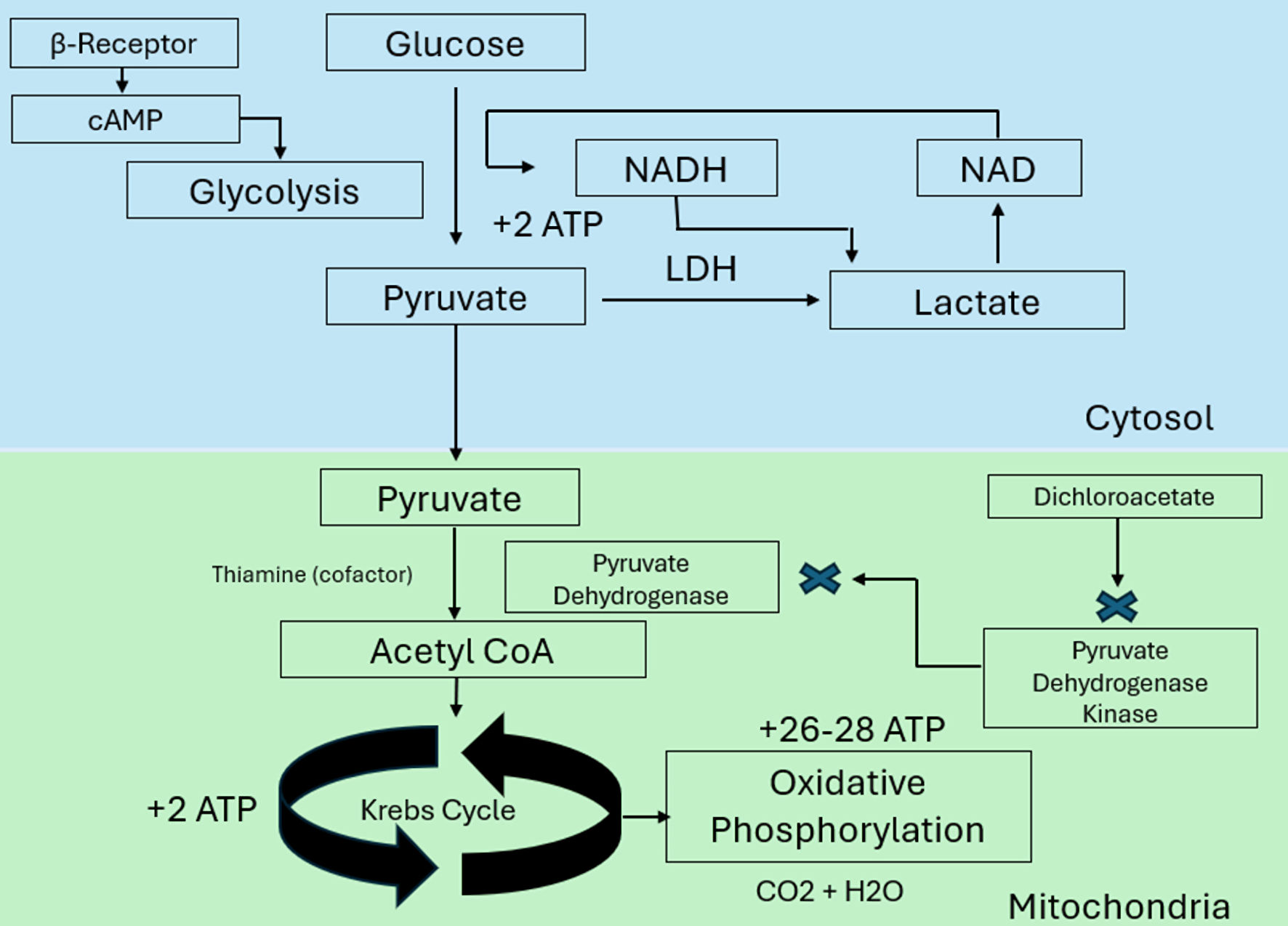
Figure 1.
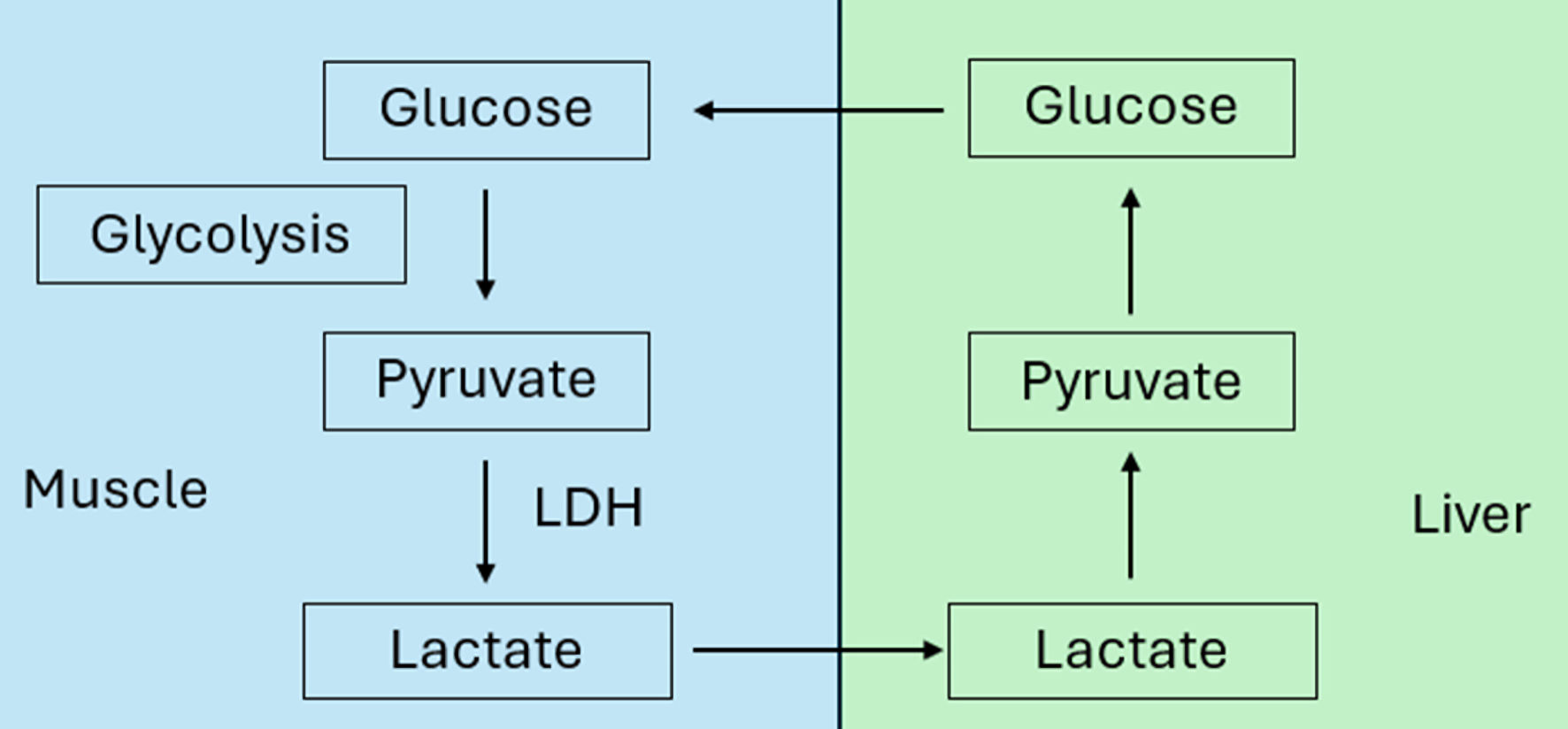
↓  Figure 2. Cori cycle. LDH: lactate dehydrogenase.
Figure 2.
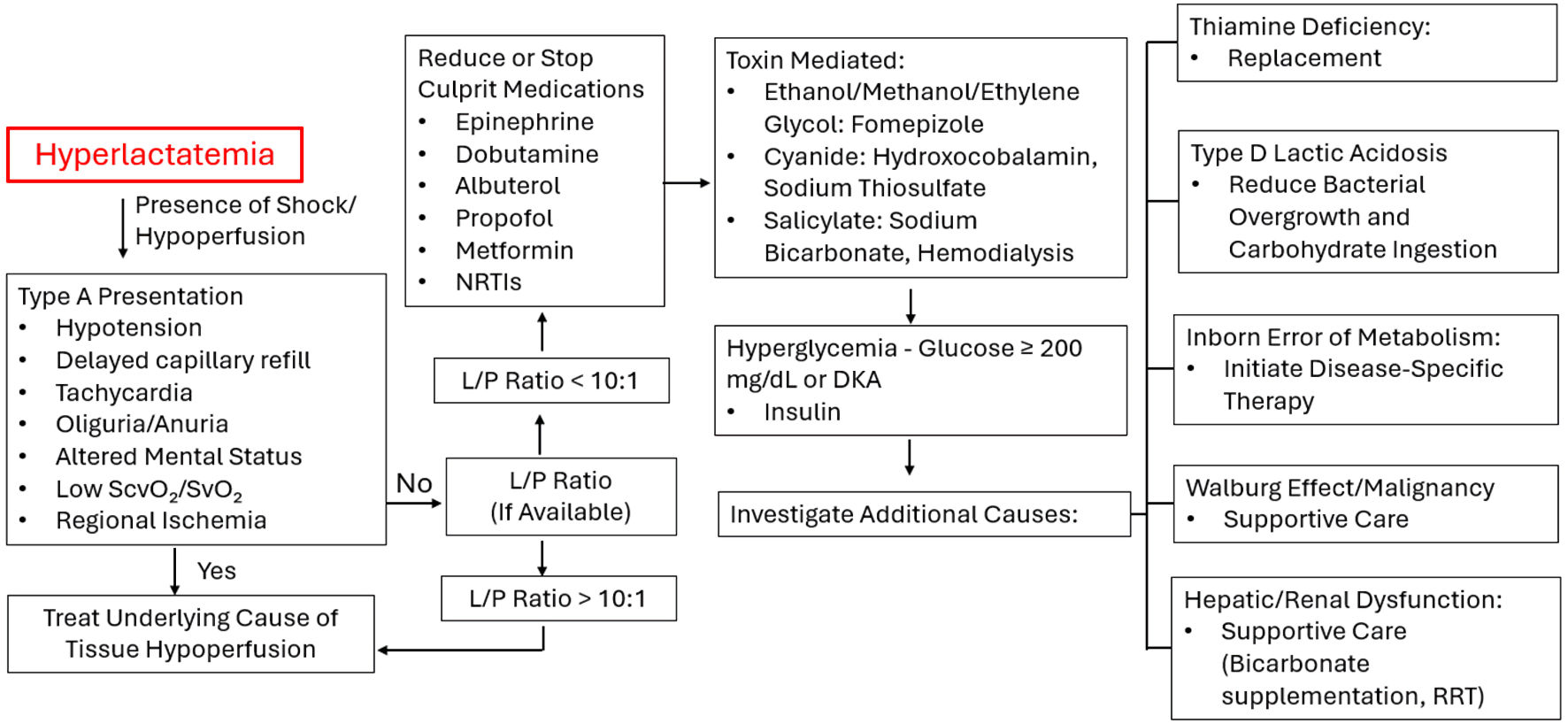
↓  Figure 3. Diagnostic approach and management of type B lactic acidosis. Low ScvO2/SvO2: reduced oxygen delivery or increased oxygen extraction; L/P: lactate to pyruvate ratio; DKA: diabetic ketoacidosis; RRT: renal replacement therapy.
Figure 3.

Table

↓  Table 1. Etiologies of Type B Lactic Acidosis
 
Comorbid diseaseMedication and toxin inducedInborn errors of metabolism
DKA: Diabetic Ketoacidosis, NRTIs: Nucleoside-Reverse Transcriptase Inhibitor
Hepatic dysfunctionAlbuterolPyruvate carboxylase deficiency
DKA (methylglyoxal pathway)EpinephrineMitochondrial myopathies
Warburg effectTheophyllineGlycogen storage diseases
Thiamine deficiencyCorticosteroidsLong-chain fatty acid β-oxidation disorders
NRTIs
Propofol
Ethanol and methanol
Cyanide
Salicylate