| Cardiology Research, ISSN 1923-2829 print, 1923-2837 online, Open Access |
| Article copyright, the authors; Journal compilation copyright, Cardiol Res and Elmer Press Inc |
| Journal website https://cr.elmerpub.com |
Original Article
Volume 17, Number 2, April 2026, pages 120-127

Prevention of Cardiovascular Disease and Cancer Through Early Statin Treatment in Advanced Atherosclerosis: An Observational Study
Ansgar Adamsa, d, Waldemar Bojarab, Michel Romanensc
aBG Prevent GmbH Zentrum Koblenz, Koblenz, Germany
bMedizinische Klinik I Kardiologie Osnabruck, Klinikum Osnabruck, Germany
cVascular Risk Foundation (Varifo), Olten, Switzerland
dCorresponding Author: Ansgar Adams, BG Prevent GmbH Health Centre Koblenz, 56070 Koblenz, Germany
Manuscript submitted January 20, 2026, accepted April 8, 2026, published online April 15, 2026
Short title: Statins for CVD and Cancer Prevention in Atherosclerosis
doi: https://doi.org/10.14740/cr2196
| Abstract | ▴Top |
Background: The extent of atherosclerosis in healthy men and women was measured using ultrasound on the carotid artery, and it was investigated whether early treatment with statins in subjects with advanced atherosclerosis improves the outcome for cardiovascular disease and cancer.
Method: From 2009 to 2017, 5,186 subjects (39.1% women) aged 35–65 with no signs of cardiovascular disease underwent ultrasound examination of the carotid artery. The total plaque area (TPA) and maximum plaque thickness were measured.
Results: A follow-up was available for 4,340 (83.7%) participants. The mean follow-up period was 87 months (7.3 years) for men and 79 months (6.6 years) for women. Advanced atherosclerosis (type III, IVb) was present in 506 (11.7%) subjects. Statin treatment was initiated in 186 (36.8%) of the subjects. Events (heart attack, ischemic stroke, coronary artery bypass grafting (CABG), percutaneous transluminal coronary angioplasty (PTCA)) occurred in 170 (3.9%) of the 4,340 subjects with follow-up data. Cancer occurred in 71 (1.7%) of the subjects. The event rate for cardiovascular events was 37.6% in men with advanced atherosclerosis without statin therapy vs. 1.6% (P < 0.0001) in those with low-to-moderate plaque burden; for cancer, the rates were 8.6% vs. 1.2% (P < 0.0001). In women with advanced atherosclerosis, the event rate for cardiovascular events without statin therapy was 14.8% vs. 0.2% (P < 0.0001) in those with low-to-moderate plaque burden; and for cancer, the rates were 7.4% vs. 0.9% (P = 0.002). Treatment of male subjects with advanced atherosclerosis (type III, IVb) with a statin significantly improved the prognosis. The event rate for cardiovascular events was 16.1% in men in the treated group vs. 37.6% (P < 0.0001) in the untreated group, and 2.7% vs. 14.8% (P = 0.077) in women. The event rate for cancer was 2% in men in the treated group vs. 8.6% (P = 0.006) in the untreated group. Due to the low number of cases in women, a statistical evaluation did not make sense. Mortality (from any cause) was significantly lower in men treated with statins (P = 0.008).
Conclusions: Treatment with statins in subjects with advanced atherosclerosis of the carotid artery (type III, IVb findings on ultrasound) significantly improved the prognosis in a non-randomized observational study.
Keywords: Microvascular dysfunction; Atherosclerosis; Cardiovascular risk; Cancer; Carotid ultrasound
| Introduction | ▴Top |
Previous studies have shown that advanced atherosclerosis of the carotid artery is associated with an increased risk of cardiovascular disease. There is evidence that there is also an increased risk of cancer [1–13]. By measuring the total plaque area (TPA) and the maximum plaque thickness in the carotid artery, individuals with a high cardiovascular risk can be identified. Early treatment with statins improves the outcome for cardiovascular disease [14]. The aim of the study was to investigate whether there is a link between advanced atherosclerosis of the carotid artery and the incidence of cancer, and whether the risk can be reduced by statin treatment.
| Materials and Methods | ▴Top |
Study design
This was a retrospective study. All described investigations and evaluations on humans were conducted with the approval of the responsible ethics committee. The study was conducted in compliance with the ethical standards of the responsible institution on human subjects as well as with the Helsinki Declaration.
Study population
Between 2009 and 2017, heart attack risk assessment was offered as part of occupational health screening in companies in various industries (chemical, glass, pharmaceutical, administration, metal, social services, paper, printing, ceramics, information technology (IT), universities, technical colleges, retail) in the Koblenz region. A total of 5,186 test subjects (39.1% women) aged between 35 and 65 with no signs of cardiovascular disease underwent ultrasound examinations of both carotid arteries. Follow-up data was available for 4,340 (83.7%) test subjects. A portable ultrasound device from Kontron Medical, type Imagic Agile, with a 10 MHz linear scanner was used.
Carotid plaque measurements
The measurement method was performed as previously published [14]. The classification of ultrasound findings was developed on an independent group of patients who were examined 1 day before a planned coronary angiography. Low risk corresponds to ultrasound findings of type I and IIa, medium risk to findings of type IIb and IVa, and high risk to findings of type III and IVb [15].
Clinical intervention and patient management
High-risk patients (ultrasound findings type III and IVb) received a letter to their family doctor to start treatment with a statin, such as atorvastatin 10–20 mg. One hundred forty-nine (35.9%) men and 37 (40.7%) women received a statin. Twelve subjects took statins irregularly. If the duration of use was less than 50% of the follow-up period, this was considered no treatment, and vice versa. Seven subjects did not tolerate statins and had to discontinue use. The authors had no influence on whether the primary care physician prescribed a statin or not. After 4–6 weeks, it was determined whether statin treatment had been initiated, and at each follow-up examination, questions were asked about any cardiovascular events or cancer. In the first years after the start of the study in 2009, the acceptance rate for initiating statin therapy among general practitioners was only 36.8%. In recent years (e.g., 2020–2026), the rate of treated patients has increased to approximately 75%.
Statistical analysis
The baseline characteristics of all subjects were described according to risk groups (low, medium, high)—continuous scale: mean, standard deviation; categorical scale: absolute and relative frequencies—and compared using the t-test, χ2 test, or Fisher’s exact test.
| Results | ▴Top |
A total of 3,158 men and 2,028 women underwent ultrasound examination. Follow-up data were available for 2,512 (79.5%) men and 1,828 (90.1%) women. Advanced atherosclerosis was present in 415 (16.5%) men and 91 (5.0%) women. The mean follow-up period was 87 months for men and 79 months for women (Table 1). There were 158 cardiovascular events in men (strokes (n = 23), heart attacks (n = 67), coronary artery bypass grafting (CABG, n = 29), and percutaneous transluminal coronary angioplasty (PTCA, n = 39). Advanced atherosclerosis was present in 124 (78.5%) of the men and was thus correctly predicted. Cancer occurred in 52 (2.1%) of the men (prostate (n = 11), bronchial (n = 5), colon (n = 5), stomach (n = 4), unknown (n = 4), leukemia (n = 3), bladder (n = 3), kidney (n = 2), pancreas (n = 2), myeloma (n = 2), brain (n = 2), testicular (n = 2), melanoma (n = 1), Hodgkin’s disease (n = 1), esophageal (n = 1), laryngeal (n = 1), tongue base (n = 1), lymphoma (n = 1), liver (n = 1)).
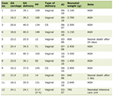 Click to view | Table 1. Baseline Characteristics of All Subjects by Risk Groups |
Twelve cardiovascular events occurred in women (strokes (n = 3), heart attacks (n = 4), CABG (n = 1), and PTCA (n = 4)). Nine (75%) of the women had advanced atherosclerosis, which was correctly predicted. Among women, there were 19 (0.9%) cases of cancer (breast (n = 11), pancreatic (n = 2), colon (n = 1), bile duct (n = 1), uterine (n = 1), bronchial (n = 1), stomach (n = 1), unknown (n = 1)) (Table 1).
Treatment of male subjects with advanced atherosclerosis (type III, IVb) with a statin significantly improved the prognosis. The event rate for cardiovascular events in men was 16.1% in the treated group versus 37.6% (P < 0.0001) in the untreated group; and the event rate for cancer was 2% in the treated group versus 8.6% (P < 0.006) in the untreated group (Table 2). The event rate for cardiovascular events in women was 2.7% in the treated group versus 14.8% (P = 0.077) in the untreated group. Due to the low number of cancers in women, a statistical evaluation did not make sense (Table 3).
Click to view | Table 2. Baseline Characteristics of All Men With Type III and IVb |
Click to view | Table 3. Baseline Characteristics of All Women With Type III and IVb |
The event rate for cardiovascular events was 37.6% in men with advanced atherosclerosis without statin therapy vs. 1.6% (P < 0.0001) in those with low-to-moderate plaque burden, and for cancer, the rates were 8.6% vs. 1.3% (P < 0.0001) (Table 4). In women with advanced atherosclerosis, the event rate for cardiovascular events without statin therapy was 14.8% vs. 0.2% (P < 0.0001) in those with low-to-moderate plaque burden, and for cancer, the rates were 7.4% vs. 0.9% (P = 0.002) (Table 5). Mortality (from all causes) was significantly lower in men treated with statins (P = 0.008) (Table 6). Due to the low number of cancers in women, a statistical evaluation did not make sense (Table 7).
Click to view | Table 4. Baseline Characteristics of All Men With Type I–IVa and Type III and IVb Without Therapy |
Click to view | Table 5. Baseline Characteristics of All Women With Type I–IVa and Type III and IVb Without Therapy |
Click to view | Table 6. Mortality of All Men With and Without Statin Treatment (Including Low and Medium Risk) |
Click to view | Table 7. Mortality of All Women With and Without Statin Treatment (Including Low and Medium Risk) |
Due to the low event rates for cardiovascular disease and cancer, the low- and medium-risk groups (types I, IIa, and IIb, IVa) were combined.
| Discussion | ▴Top |
Atherosclerosis is a disease that develops in vessels supplied by vasa vasorum, such as coronary vessels, aorta, carotid artery, and femoral arteries. Smaller arteries supplied by diffusion from the vessel lumen, such as the mammary artery or radial artery, are not or very rare affected [16]. Plaques probably develop as a result of microvascular dysfunction of the vasa vasorum and arterioles, leading to hypoxia in various organs (heart muscle with coronary microvascular dysfunction (CMD), kidney with chronic kidney disease (CKD), cerebral vessels with cerebral small vessel disease (CSVD), peripheral arterial disease (PAD), skin with systemic sclerosis, retinopathy, etc.) [17, 18]. The development of microvascular dysfunction leads to functional changes (increased vascular tone due to increased production of endothelin, prostacyclin, peptide Y, or decreased production of nitric oxide NO) and structural changes with obstruction and perivascular fibrosis. Furthermore, there is evidence that microvascular dysfunction also increases the risk of cancer [19, 20]. Microvascular dysfunction causes hypoxia, which promotes the development of atherosclerosis with the clinical manifestation of cardiovascular disease and the development of cancer. Hypoxia can downregulate the immune system and thereby slow down tumor defense. It also affects the proliferation and gene expression in tumor cells, including hypoxia-inducible factor-1 alpha (HIF-1α). Natural killer (NK) cells are the first line of defense against infections and cancer cells. Hypoxia upregulates HIF-1α, which slows down the activity of NK cells in tumor defense [21, 22]. Treatment with statins leads to an improvement in microvascular function [23–27] and a reduction in cardiovascular events. Several studies described a preventive effect of statin therapy for cancer [28–33].
The study showed that subjects with advanced atherosclerosis (type III, IVb on ultrasound) had a significantly higher risk of cardiovascular disease (MACE, CABG, PTCA) (men: 29.9% vs. 1.6%, P < 0.0001; women: 9.9% vs. 0.2%, P < 0.0001) and cancer (6.3% vs. 1.2%, P ≤ 0.0001 in men and 4.4% vs. 0.9%, P = 0.013 in women) compared to those with low-to-moderate exposure.
Early treatment of male subjects with advanced atherosclerosis with statins improved the prognosis for MACE, CABG, PTCA (event rate 16.1% vs. 37.6%, P < 0.0001) and for carcinomas (event rate 2% vs. 8.6%, P < 0.0059). Due to the low number of cases, further research is certainly needed here. In female subjects, statistical analysis was not meaningful due to the low number of cases.
The results of the study support the hypothesis that there is a link between microvascular dysfunction and the development of atherosclerosis and cancer. This could also explain the preventive effect of statin treatment, which contributes to an improvement in microvascular function.
Limitations
This is an observational study rather than a randomized study. The disadvantage of non-randomized studies is that biases can occur, which cannot be ruled out. Furthermore, there is no analysis of whether atorvastatin was always prescribed and, if so, at what dose. The treated and untreated groups of men with advanced atherosclerosis did not differ statistically in baseline values, except for diastolic blood pressure. Nevertheless, it is possible that the occurrence of cancer influenced the use of a statin. Another limitation is that the treatment rate was very low, at approximately 37%. The follow-up rate is reduced to 87.3% because the examination was only performed once in some companies and therefore no follow-up is available.
Whether treatment of advanced atherosclerosis with statins leads to a reduction in cancer incidence needs to be verified by further studies. It would be useful to investigate this retrospectively in large plaque and coronary artery calcium (CAC) studies that have already been conducted.
Conclusions
Carotid screening with ultrasound is useful because it allows subjects with advanced disease to be identified at an early stage and then treated. Treatment with statins in subjects with advanced atherosclerosis of the carotid artery (type III, IVb findings on ultrasound) significantly improved the prognosis for cardiovascular diseases in a non-randomized observational study. The observation that patients with advanced atherosclerosis develop cancer significantly more often than people with mild or moderate atherosclerosis is new, and that this risk can be significantly reduced under statin therapy, at least in men.
Acknowledgments
None to declare.
Financial Disclosure
This study has not been supported by any external funding.
Conflict of Interest
The authors confirm that they have no conflict of interest.
Informed Consent
All patients provided informed consent.
Author Contributions
WB and MR discussed the approach and the findings of this study with AA intensively and gave AA valuable feedback. All
examinations have been done by AA.
Data Availability
Any inquiries regarding supporting data availability of this study should be directed to the corresponding author.
| References | ▴Top |
- Belcaro G, Nicolaides AN, Ramaswami G, Cesarone MR, De Sanctis M, Incandela L, Ferrari P, et al. Carotid and femoral ultrasound morphology screening and cardiovascular events in low risk subjects: a 10-year follow-up study (the CAFES-CAVE study(1)). Atherosclerosis. 2001;156(2):379-387.
doi pubmed - Johnsen SH, Mathiesen EB, Joakimsen O, Stensland E, Wilsgaard T, Lochen ML, Njolstad I, et al. Carotid atherosclerosis is a stronger predictor of myocardial infarction in women than in men: a 6-year follow-up study of 6226 persons: the Tromso Study. Stroke. 2007;38(11):2873-2880.
doi pubmed - Inaba Y, Chen JA, Bergmann SR. Carotid plaque, compared with carotid intima-media thickness, more accurately predicts coronary artery disease events: a meta-analysis. Atherosclerosis. 2012;220(1):128-133.
doi pubmed - Rundek T, Arif H, Boden-Albala B, Elkind MS, Paik MC, Sacco RL. Carotid plaque, a subclinical precursor of vascular events: the Northern Manhattan Study. Neurology. 2008;70(14):1200-1207.
doi pubmed - Baber U, Mehran R, Sartori S, Schoos MM, Sillesen H, Muntendam P, Garcia MJ, et al. Prevalence, impact, and predictive value of detecting subclinical coronary and carotid atherosclerosis in asymptomatic adults: the BioImage study. J Am Coll Cardiol. 2015;65(11):1065-1074.
doi pubmed - Romanens M, Adams A, Sudano I, Bojara W, Balint S, Warmuth W, Szucs TD. Prediction of cardiovascular events with traditional risk equations and total plaque area of carotid atherosclerosis: The Arteris Cardiovascular Outcome (ARCO) cohort study. Prev Med. 2021;147:106525.
doi pubmed - Spence JD, Eliasziw M, DiCicco M, Hackam DG, Galil R, Lohmann T. Carotid plaque area: a tool for targeting and evaluating vascular preventive therapy. Stroke. 2002;33(12):2916-2922.
doi pubmed - Adams A, Bojara W, Schunk K. Early diagnosis and treatment of coronary heart disease in asymptomatic subjects with advanced vascular atherosclerosis of the carotid artery (Type III and IV b Findings Using Ultrasound) and risk factors. Cardiol Res. 2018;9(1):22-27.
doi pubmed - Adams A, Bojara W, Romanens M. The determination of the plaque burden on the carotid artery with ultrasound significantly improves the risk prediction in middle-aged subjects compared to PROCAM: an outcome study. Cardiol Res. 2020;11(4):233-238.
doi pubmed - Raposeiras Roubin S, Cordero A. The two-way relationship between cancer and atherosclerosis. Rev Esp Cardiol (Engl Ed). 2019;72(6):487-494.
doi pubmed - Li J, Zhao J, Lei Y, Chen Y, Cheng M, Wei X, Liu J, et al. Coronary atherosclerotic disease and cancer: risk factors and interrelation. Front Cardiovasc Med. 2022;9:821267.
doi pubmed - Nebigil CG, Chan MWY. Editorial: HF2Cancer: Exploring bidirectional interaction between cardiovascular diseases and cancer. Front Cardiovasc Med. 2023;10:1145780.
doi pubmed - Gallucci G, Turazza FM, Inno A, Canale ML, Silvestris N, Fari R, Navazio A, et al. Atherosclerosis and the bidirectional relationship between cancer and cardiovascular disease: from bench to bedside-part 1. Int J Mol Sci. 2024;25(8):4232.
doi pubmed - Adams A, Bojara W, Romanens M. [Ultrasound examination of the carotid artery for improved prediction of cardiovascular events and the effect of statin treatment in advanced atherosclerosis : An observational study]. Herz. 2024;49(1):60-68.
doi pubmed - Adams A, Bojara W. [Prediction of coronary artery stenosis by measurement of total plaque area and thickness versus intima media thickness of the carotid artery]. Herz. 2015;40(5):817-822.
doi pubmed - Haverich A, Boyle EC. Atherosclerosis pathogenesis and microvascular dysfunction. Springer. 2019.
- Duan Y, Liu J, Wang S, Luan T, Zhou J, Cui Z, Wang A, et al. Coronary microvascular dysfunction: a review of its association with extracardiac organ pathologies. Front Cardiovasc Med. 2025;12:1616332.
doi pubmed - Emfietzoglou M, Terentes-Printzios D, Kotronias RA, Marin F, Montalto C, De Maria GL, Banning AP. The spectrum and systemic associations of microvascular dysfunction in the heart and other organs. Nat Cardiovasc Res. 2022;1(4):298-311.
doi pubmed - Toya T, Sara JD, Corban MT, Taher R, Godo S, Herrmann J, Lerman LO, et al. Assessment of peripheral endothelial function predicts future risk of solid-tumor cancer. Eur J Prev Cardiol. 2020;27(6):608-618.
doi pubmed - Rajai N, Ahmad A, Toya T, Sara JD, Herrmann J, Lerman LO, Lerman A. Coronary microvascular dysfunction is an independent predictor of developing cancer in patients with non-obstructive coronary artery disease. Eur J Prev Cardiol. 2023;30(3):209-216.
doi pubmed - Rashid M, Zadeh LR, Baradaran B, Molavi O, Ghesmati Z, Sabzichi M, Ramezani F. Up-down regulation of HIF-1alpha in cancer progression. Gene. 2021;798:145796.
doi pubmed - Ni J, Wang X, Stojanovic A, Zhang Q, Wincher M, Buhler L, Arnold A, et al. Single-cell RNA sequencing of tumor-infiltrating NK cells reveals that inhibition of transcription factor HIF-1alpha unleashes NK cell activity. Immunity. 2020;52(6):1075-1087.e1078.
doi pubmed - Stapleton PA, Goodwill AG, James ME, Brock RW, Frisbee JC. Hypercholesterolemia and microvascular dysfunction: interventional strategies. J Inflamm (Lond). 2010;7:54.
doi pubmed - Wolfrum S, Jensen KS, Liao JK. Endothelium-dependent effects of statins. Arterioscler Thromb Vasc Biol. 2003;23(5):729-736.
doi pubmed - Higashi Y. Assessment of endothelial function. History, methodological aspects, and clinical perspectives. Int Heart J. 2015;56(2):125-134.
doi pubmed - Reriani MK, Dunlay SM, Gupta B, West CP, Rihal CS, Lerman LO, Lerman A. Effects of statins on coronary and peripheral endothelial function in humans: a systematic review and meta-analysis of randomized controlled trials. Eur J Cardiovasc Prev Rehabil. 2011;18(5):704-716.
doi pubmed - Terai N, Spoerl E, Fischer S, Hornykewycz K, Haustein M, Haentzschel J, Pillunat LE. Statins affect ocular microcirculation in patients with hypercholesterolaemia. Acta Ophthalmol. 2011;89(6):e500-504.
doi pubmed - Ricco N, Kron SJ. Statins in cancer prevention and therapy. Cancers (Basel). 2023;15(15):3948.
doi pubmed - Liu C, Chen H, Hu B, Shi J, Chen Y, Huang K. New insights into the therapeutic potentials of statins in cancer. Front Pharmacol. 2023;14:1188926.
doi pubmed - Craig EL, Stopsack KH, Evergren E, Penn LZ, Freedland SJ, Hamilton RJ, Allott EH. Statins and prostate cancer-hype or hope? The epidemiological perspective. Prostate Cancer Prostatic Dis. 2022;25(4):641-649.
doi pubmed - Bagheri H, Adeli OA, Heidari-Soureshjani S, Azadegan-Dehkordi Z, Mt Sherwin C. The relationship between statin intake and risk of pancreatic cancer: a systematic review and meta-analysis. Curr Drug Res Rev. 2025;17(2):311-321.
doi pubmed - Su CH, Islam MM, Jia G, Wu CC. Statins and the risk of gastric cancer: a systematic review and meta-analysis. J Clin Med. 2022;11(23):7180.
doi pubmed - Zhang X, Lou D, Fu R, Wu F, Zheng D, Ma X. Association between statins types with incidence of liver cancer: an updated meta-analysis. Curr Med Chem. 2024;31(6):762-775.
doi pubmed
This article is distributed under the terms of the Creative Commons Attribution 4.0 International License (CC BY 4.0), which permits unrestricted use, distribution, and reproduction in any medium, including commercial use, provided the original work is properly cited.
Cardiology Research is published by Elmer Press Inc.