| Cardiology Research, ISSN 1923-2829 print, 1923-2837 online, Open Access |
| Article copyright, the authors; Journal compilation copyright, Cardiol Res and Elmer Press Inc |
| Journal website https://cr.elmerpub.com |
Original Article
Volume 17, Number 6, December 2026, pages 670-689

Association Between Hepatitis C Virus Infection and Coronary Artery Disease: A Systematic Review and Meta-Analysis
Ali Alhashli
Department of Internal Medicine, King Faisal Specialist Hospital and Research Centre, Riyadh, Saudi Arabia
Manuscript submitted July 1, 2026, accepted September 10, 2026, published online October 24, 2026
Short title: HCV Infection and Coronary Artery Disease
doi: https://doi.org/10.14740/cr2280
| Abstract | ▴Top |
Background: Hepatitis C virus (HCV) infection has been associated with cardiovascular disease, but its relationship with coronary artery disease (CAD) remains uncertain.
Methods: This systematic review included observational studies reporting adjusted effect estimates for CAD outcomes among HCV-infected and HCV-uninfected adults. Adjusted hazard ratios, risk ratios, and odds ratios were combined on the logarithmic scale using a random-effects model and are presented as a summary relative association estimate with 95% confidence intervals (CIs). Prespecified subgroup analyses were performed by study design, human immunodeficiency virus (HIV) co-infection status, and CAD outcome type; meta-regression evaluated follow-up duration, mean age, and the proportion of male participants.
Results: Twenty-one studies were included, representing diverse populations including veterans, people living with HIV, dialysis patients, and community-based cohorts. Fifteen studies contributed adjusted estimates to the quantitative synthesis. HCV infection was associated with a modest increase in the pooled relative estimate for CAD (summary estimate 1.21; 95% CI, 1.05–1.40; P = 0.007), with substantial heterogeneity (I2 = 72.1%). The association was statistically significant in cohort studies and in both HIV-specific and non-HIV-specific subgroups, although the HIV-specific subgroup was based on four studies. The myocardial infarction (MI)-specific subgroup was not statistically significant, whereas studies using broader CAD outcomes showed a significant association.
Conclusions: Chronic HCV infection was associated with a modest increase in the pooled relative estimate for CAD. However, substantial heterogeneity, differences in endpoint definitions and populations, residual confounding, and the combination of different effect measures limit causal interpretation and make the clinical importance uncertain. The nonsignificant MI-specific analysis further supports a cautious interpretation. These findings do not establish a cardiovascular benefit of antiviral therapy; prospective studies with standardized CAD endpoints and detailed data on renal disease, antiviral exposure, and lipid-lowering therapy are needed.
Keywords: Cardiovascular disease; Coronary artery disease; Meta-analysis; Systematic review; HIV co-infection; Direct-acting antivirals; Hepatitis C virus
| Introduction | ▴Top |
Hepatitis C virus (HCV) infection is a significant global burden of public health, with approximately 58 million people infected worldwide at the start of 2020, and the chronic form of this infection causes progressive hepatic fibrosis, cirrhosis, and hepatocellular carcinoma in a significant percentage of patients [1, 2]. In addition to its long-known hepatic effects, HCV is now being acknowledged as a systemic illness with significant extrahepatic effects including metabolic, renal, hematological, and cardiovascular sequelae [3, 4]. Specifically, chronic HCV infection and coronary artery disease (CAD) have received significant scientific interest due to the high incidence of cardiovascular diseases in the world and how HCV-mediated pathobiological effects may accelerate the atherosclerosis process [5].
There are several biologically plausible mechanisms through which HCV could be associated with accelerated atherogenesis. Chronic HCV infection promotes a pro-inflammatory state characterized by activation of innate immune pathways, upregulation of pro-inflammatory cytokines, and endothelial dysfunction [6, 7]. HCV-associated hepatic steatosis and insulin resistance may also increase cardiometabolic risk [8]. HCV RNA has been detected in carotid atherosclerotic plaques, suggesting a possible direct viral contribution to arterial-wall pathology [9]. In contrast, chronic HCV infection is often accompanied by lower total and low-density lipoprotein (LDL) cholesterol concentrations, a lipid pattern that would ordinarily be expected to reduce atherosclerotic risk; lipid concentrations may rise after successful viral clearance [10]. Thus, the apparently favorable lipid profile of active HCV infection coexists with inflammatory, endothelial, and metabolic abnormalities that may increase vascular risk. This biological tension may partly explain the inconsistent epidemiological findings.
Early systematic reviews reported inconsistent findings and highlighted substantial clinical and methodological heterogeneity [11]. Subsequent meta-analyses found positive associations across broader cardiovascular outcomes. Ambrosino et al reported an increased pooled estimate for CAD and cerebrovascular disease but included both adjusted and unadjusted effect sizes and did not stratify by human immunodeficiency virus (HIV) status [12]. Petta et al synthesized 22 studies and separately evaluated cardiovascular mortality, carotid atherosclerosis, and cerebrocardiovascular events [13]. Lee et al included 36 longitudinal studies, reported a pooled risk ratio of 1.28 (95% confidence intervals (CI), 1.18–1.39), and presented separate analyses for composite cardiovascular events, myocardial infarction (MI), and stroke [14].
Accordingly, the present review should be viewed as an updated, CAD-focused synthesis rather than the first outcome-stratified meta-analysis. Its principal additional focus is the comparison of HIV-specific and non-HIV-specific populations, together with meta-regression of study-level follow-up duration, mean age, and sex composition. Nevertheless, variation in CAD definitions, treatment eras, comorbidity profiles, and effect measures remains an important methodological challenge.
The objective of this systematic review and meta-analysis was to update the evidence on the association between chronic HCV infection and CAD, with subgroup analyses by study design, HIV co-infection status, and CAD outcome type, and meta-regression of continuous study-level moderators. Given the observational design and anticipated heterogeneity, the analysis was intended to estimate association rather than causality or treatment effects.
| Materials and Methods | ▴Top |
This systematic review and meta-analysis was conducted and reported in accordance with the Preferred Reporting Items for Systematic Reviews and Meta-Analyses (PRISMA) 2020 statement [15].
Search and selection
An electronic database search was performed on four databases (PubMed, Scopus, Web of Science and Cochrane Library). The complete search strategy for each database is provided here (Supplementary Material 1, cr.elmerpub.com). There were no language or date constraints. Included studies and relevant reviews were screened and used to generate reference lists of other eligible studies.
Eligibility criteria
Studies were eligible if they: (1) used an observational cohort, case-control, or cross-sectional design; (2) included adults aged 18 years or older with chronic HCV infection identified by serology, serum HCV RNA, or diagnostic codes; (3) reported a coronary outcome, including MI, acute coronary syndrome (ACS), incident CAD/coronary heart disease (CHD), or cardiovascular mortality; and (4) reported an adjusted odds ratio (OR), risk ratio (RR), or hazard ratio (HR), or provided data suitable for qualitative synthesis. Cardiovascular mortality was retained as an eligible outcome in the original review framework, although it is not clinically equivalent to incident CAD or MI; this distinction is addressed in the interpretation and limitations.
Studies were excluded if they were limited to prevalent CAD at baseline; were reviews, case reports, editorials, or conference abstracts with no full-text information; or reported non-coronary cardiovascular outcomes only (e.g., stroke, peripheral vascular disease) without a discrete CAD outcome.
Screening and data extraction
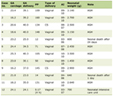
Selection and screening were conducted by two independent reviewers, who screened titles and abstracts; full-text screening of potentially eligible articles was then performed and resolved by consensus. Two independent researchers extracted the data using a standardized form, which recorded: first author, year, country, study design, time frame, study population, sample size, HCV diagnosis method, CAD outcome definition and adjusted effect estimate with 95% CI and primary study conclusion (Table 1) [16–36]. When they were reported, baseline demographic and clinical data of HCV-infected and uninfected groups were extracted separately (Table 2) [16–36].
 Click to view | Table 1. Summary Characteristics for the Included Studies |
Click to view | Table 2. Baseline Characteristics of the Included Studies |
Risk of bias assessment
The Newcastle-Ottawa Scale (NOS) was used to assess the methodological quality of cohort and case-control studies based on the domains of selection, comparability, and outcome ascertainment with a maximum score of nine stars; those with a score of 6 or higher were considered to be of good quality, and those with a score of 4–5 to be of fair quality. The unpaired cross-sectional research was evaluated by an adapted NOS tool. The results of risk of bias are presented here (Supplementary Materials 2, 3, cr.elmerpub.com).
Statistical analysis
Adjusted HRs, RRs, and ORs were entered on the logarithmic scale using their reported standard errors and pooled with a DerSimonian–Laird random-effects generic inverse-variance model. The exponentiated pooled value is labelled as an OR in the existing figures for consistency with the original analysis; throughout the revised text it is described as a summary relative association estimate because HRs, RRs, and ORs are not mathematically interchangeable. Studies without a separately extractable adjusted estimate for the prespecified HCV comparison and CAD outcome were included only in the qualitative synthesis. Statistical heterogeneity was assessed using I2 and Cochran’s Q. Small-study effects were evaluated by visual inspection of the funnel plot and Egger’s regression test, recognizing that both approaches have limited reliability with a modest number of heterogeneous studies.
Prespecified subgroup analyses were performed by: (1) study design (cohort vs case-control); (2) HIV co-infection status of the study population (HIV-specific vs non-HIV-specific); and (3) CAD outcome (MI as the primary endpoint vs broader CAD outcomes). Between-subgroup heterogeneity was assessed using a chi-squared interaction test. The HIV-specific quantitative subgroup contained four studies (Bedimo et al (2010) [28], Campbell et al (2012) [21], the D:A:D Study (2010) [30], and Williams-Nguyen et al (2020) [35]); the study of Enger et al (2014) [16] was classified as non-HIV-specific. Three additional HIV-focused reports (Freiberg et al 2011 [17], Freiberg et al (2013) [25], and Lang et al (2022) [32]) were retained in the qualitative review but were not represented in the original quantitative subgroup; the resulting narrow evidence base is acknowledged in the limitations. Meta-regression examined mean follow-up duration, mean age in the HCV-infected group, and the proportion of male participants. Leave-one-out sensitivity analysis assessed the influence of each study. Analyses and figures were generated using Stata.
Institutional Review Board approval
Not applicable. This systematic review and meta-analysis used previously published data and did not involve direct enrollment of human participants or access to identifiable individual-level data.
Ethical compliance with human/animal study
Not applicable. No new human or animal participants were enrolled or directly studied in this systematic review and meta-analysis.
| Results | ▴Top |
Study selection
The systematic search across the four electronic databases yielded 3,421 records. The subsequent articles were evaluated concerning eligibility after the deduplication and title/abstract screening. After the full-text review and exclusion of articles that did not meet the prespecified inclusion criteria, 21 articles were included (Fig. 1).
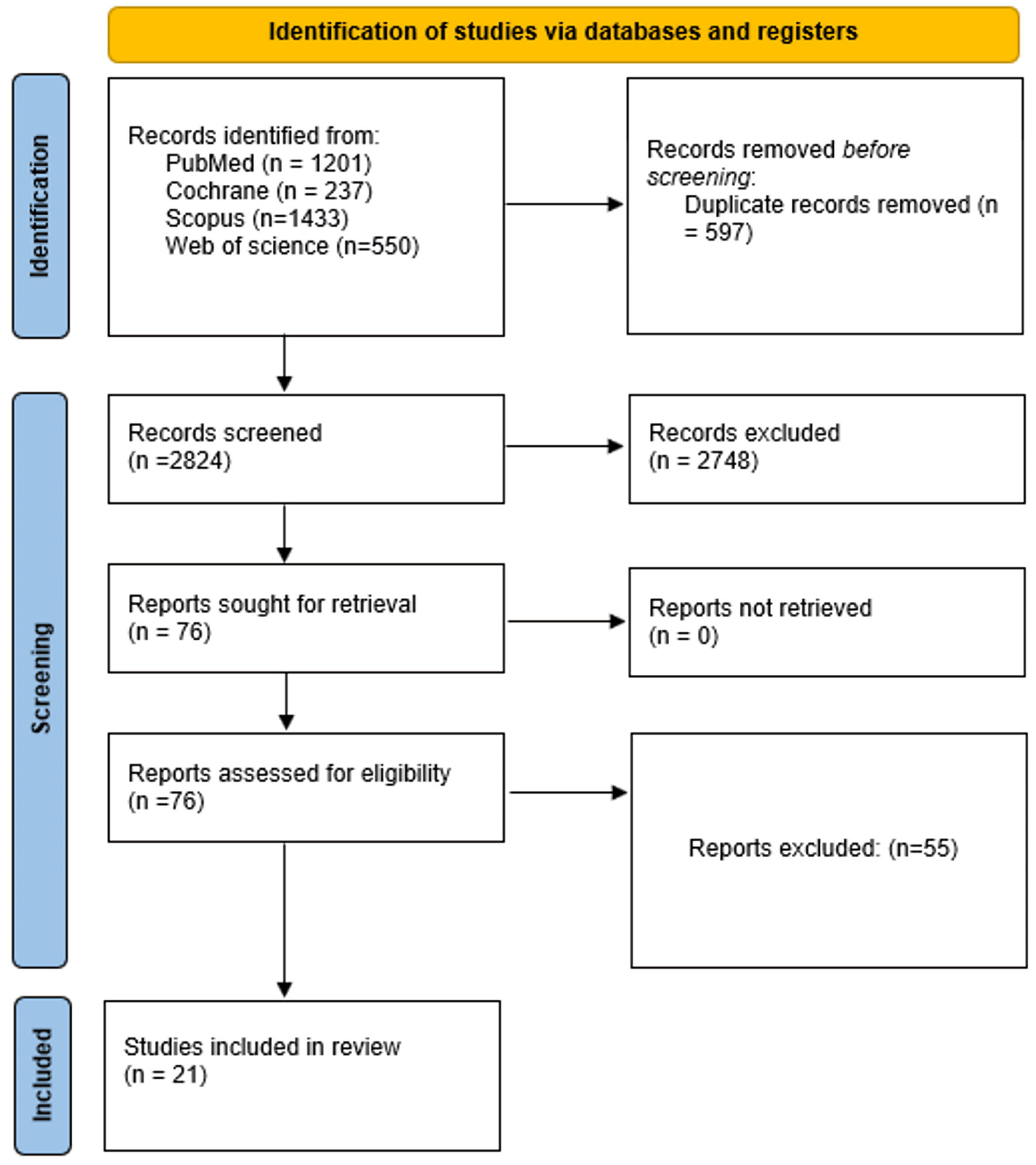 Click for large image | Figure 1. PRISMA flow diagram of study identification, screening, eligibility assessment, and inclusion in the systematic review and meta-analysis. PRISMA: Preferred Reporting Items for Systematic Reviews and Meta-Analyses. |
Study characteristics
The 21 included studies were published in 2004–2023 and included different study designs, including cohort (n = 16), case-control (n = 4), and a single cross-sectional study [16–36]. A combination of serological antibody tests, International Classification of Diseases, Ninth Revision (ICD-9) diagnostic code, and/or HCV RNA quantification was used to diagnose HCV. CAD outcomes were a heterogeneous mix of MI, ACS, incident CAD, CHD, and cardiovascular mortality, all of which were mostly defined by ICD-9 coding or angiographic reports. Some studies examined specific outcomes among HIV-coinfected populations [17, 21, 25, 28, 30, 32, 35]; others conducted them on general veterans, diabetic patients, maintenance hemodialysis patients, or community health participants (Table 1) [16–36].
Mean participant age in HCV-positive groups varied between around 37 years and 66 years [30, 31]. Male participants were typically high, as is the case with the composition of the veteran-based cohorts. Other comorbidities, including hypertension, diabetes mellitus, and dyslipidemia, were often reported, with a large range of prevalence in the studies; detailed baseline characteristics of each study are presented in Table 2 [16–36].
Risk of bias assessment
Among the 20 reviewed cohort and case-control studies (Supplementary Material 2, cr.elmerpub.com), most of them were rated as being of good quality (n = 14) [16, 17, 19, 20, 22, 25, 26, 28, 30, 33, 36]; other studies were rated as fair quality [21, 24, 27, 29, 31, 32, 35]. This single cross-sectional study was rated as good (Supplementary Material 3, cr.elmerpub.com) [18]. The main sources of bias were related to incomplete control of confounding variables and the lack of long-term follow-up information.
Association between HCV and CAD
Fifteen studies contributed adjusted estimates to the random-effects model. HCV infection was associated with a modest increase in the summary relative association estimate for CAD (1.21; 95% CI, 1.05–1.40; P = 0.007), with substantial heterogeneity (I2 = 72.1%; P < 0.001) (Fig. 2). Visual inspection of the funnel plot suggested asymmetry, although Egger’s regression test was not statistically significant (P = 0.9687) (Fig. 3). Given the limited number of studies and substantial heterogeneity, the nonsignificant Egger test should not be interpreted as evidence that publication bias or small-study effects are absent. Leave-one-out estimates remained statistically significant, but heterogeneity fell to 42.8% when the study of Kalantar-Zadeh et al [29] was omitted (Supplementary Material 4, cr.elmerpub.com), indicating that this hemodialysis cardiovascular-mortality study materially influenced heterogeneity.
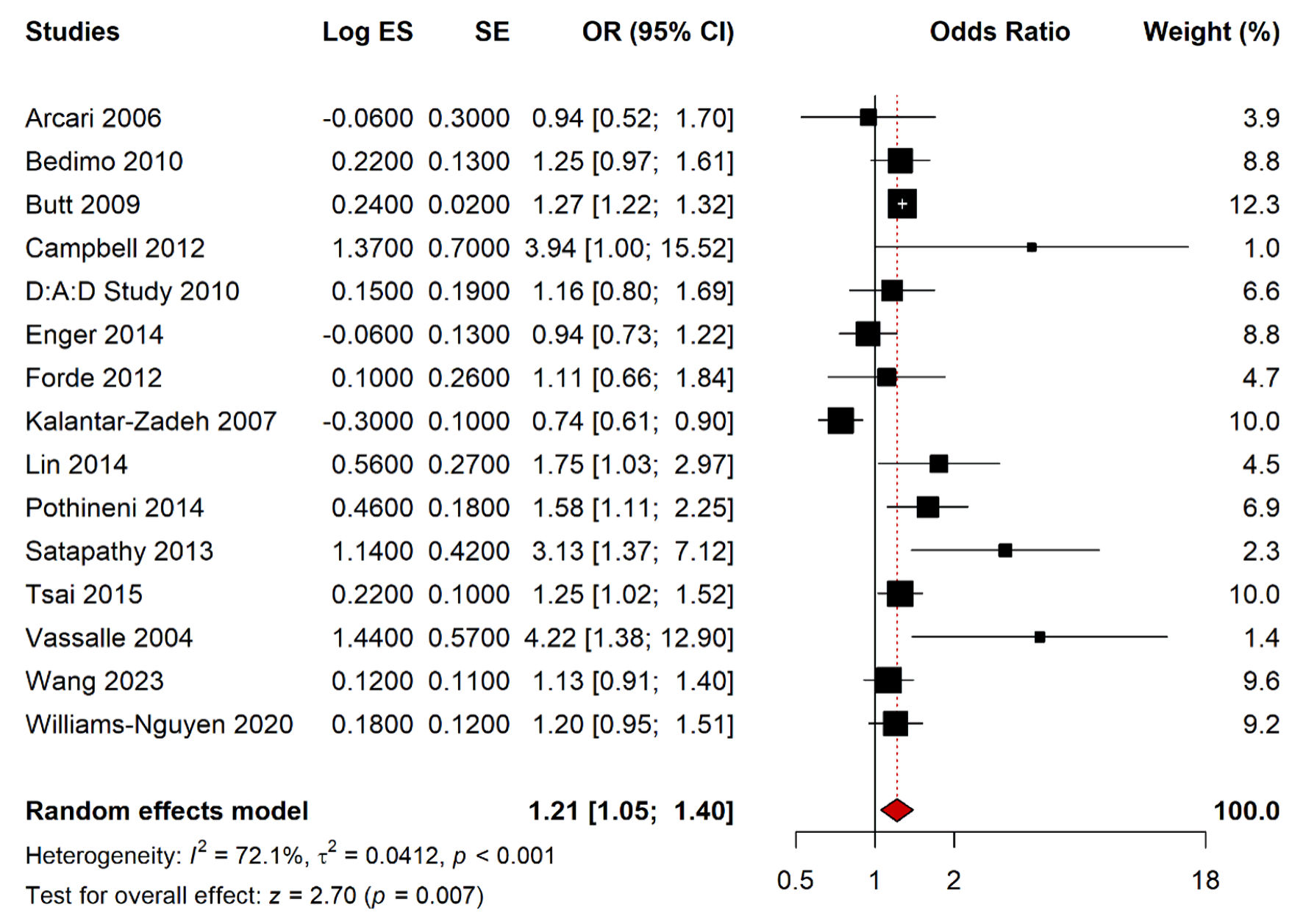 Click for large image | Figure 2. Forest plot of the association between HCV infection and CAD. HCV: hepatitis C virus; CAD: coronary artery disease; CI: confidence interval. |
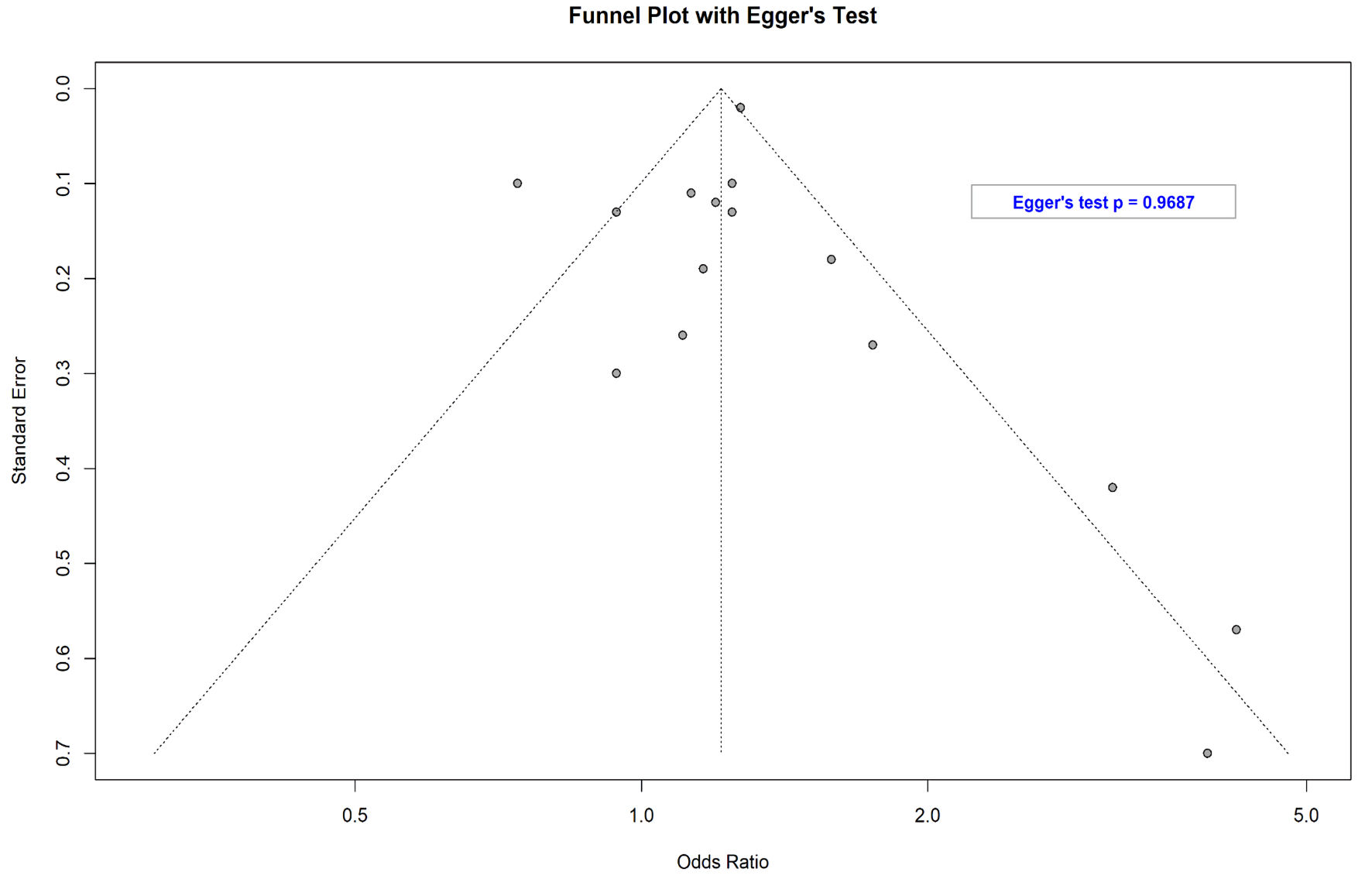 Click for large image | Figure 3. Funnel plot with Egger’s regression test for the association between HCV infection and CAD. HCV: hepatitis C virus; CAD: coronary artery disease. |
By study design, cohort studies showed a modest statistically significant association (summary estimate 1.15; 95% CI, 1.00–1.31; P = 0.04; I2 = 73.9%), whereas case-control studies did not (2.14; 95% CI, 0.84–5.47; P = 0.11; I2 = 76.5%) (Fig. 4). The between-subgroup difference was not statistically significant (P = 0.15).
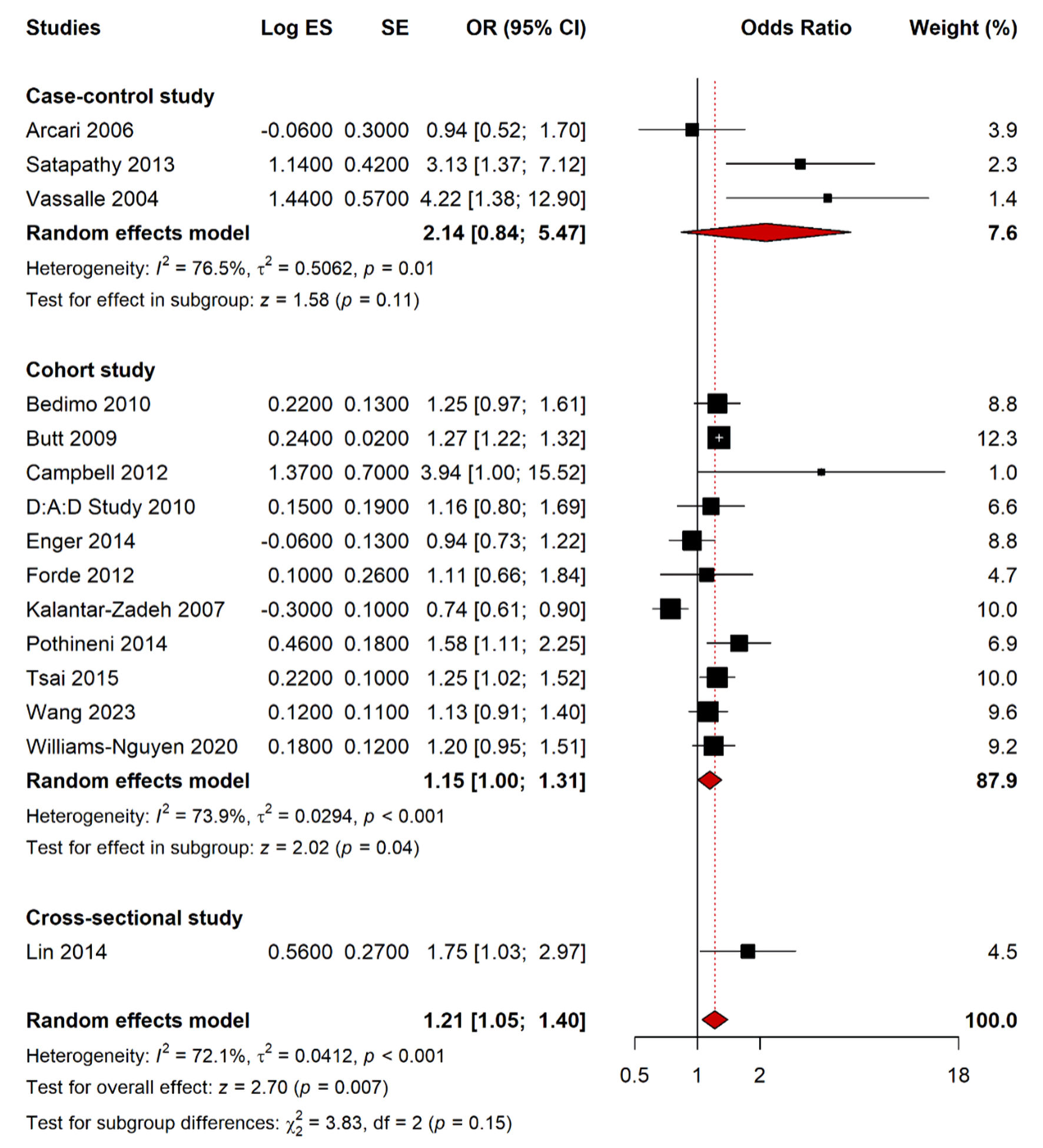 Click for large image | Figure 4. Forest plot of the association between HCV infection and CAD, stratified by study design. HCV: hepatitis C virus; CAD: coronary artery disease; CI: confidence interval. |
The HIV-stratified analysis yielded the same point estimate in the non-HIV-specific subgroup (1.23; 95% CI, 1.01–1.49; P = 0.04) and the HIV-specific subgroup (1.23; 95% CI, 1.05–1.43; P = 0.010) (Fig. 5). The non-HIV-specific subgroup had substantial heterogeneity (I2 = 78.9%; P < 0.001), whereas no heterogeneity was detected in the four-study HIV-specific subgroup (I2 = 0%; P = 0.41). The between-subgroup difference was not statistically significant (P > 0.99). Because the HIV-specific analysis was based on only four studies, these findings should be interpreted as exploratory rather than as evidence of equivalence across HIV strata.
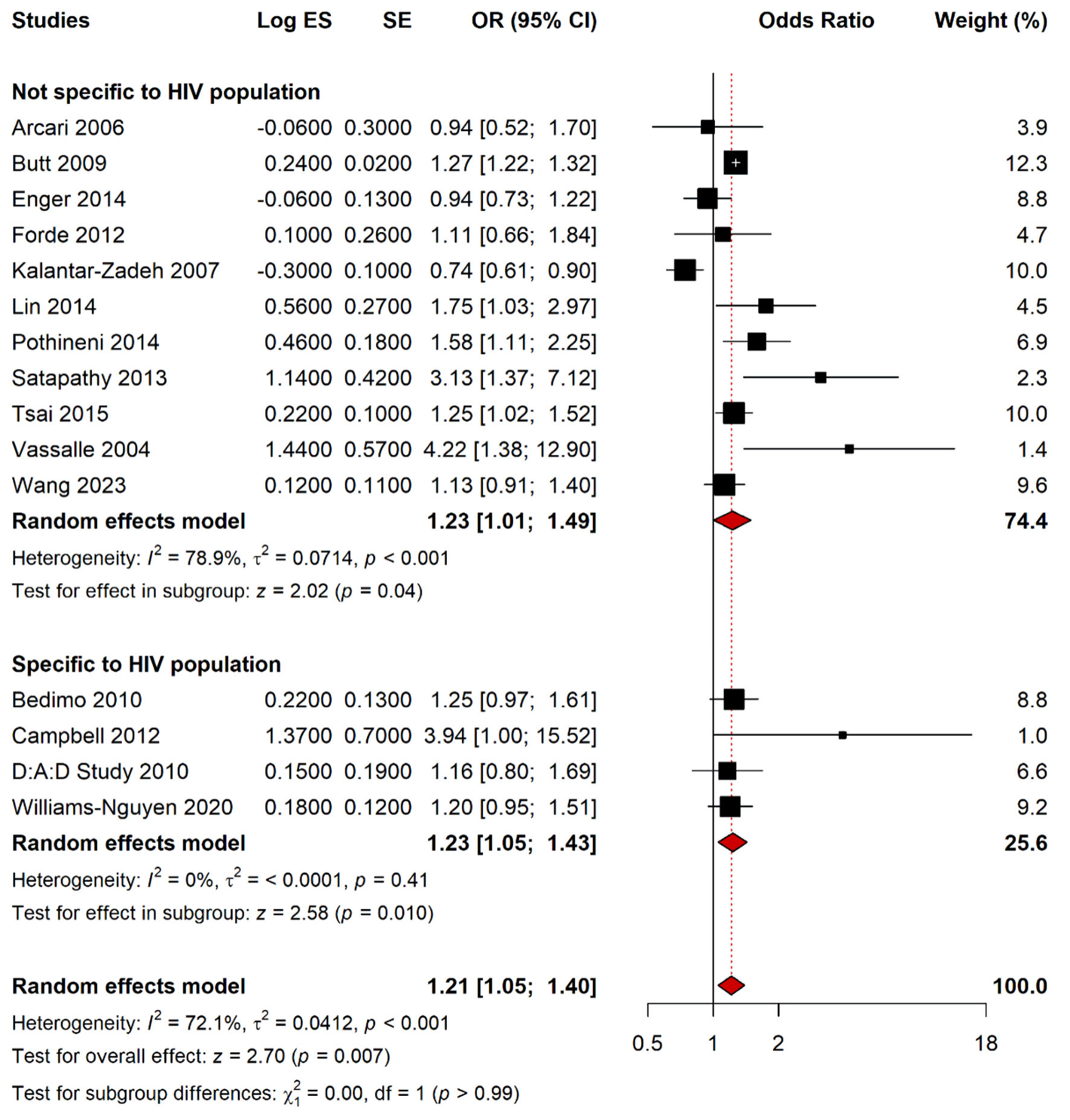 Click for large image | Figure 5. Forest plot of the association between HCV infection and CAD, stratified by HIV status of the study population. HCV: hepatitis C virus; CAD: coronary artery disease; HIV: human immunodeficiency virus; CI: confidence interval. |
Results differed by CAD endpoint (Fig. 6). In studies using MI as the primary endpoint, the pooled estimate was not statistically significant (1.12; 95% CI, 0.99–1.27; P = 0.08; I2 = 0%; P for heterogeneity = 0.68). In studies using broader or non-specified CAD endpoints, the pooled estimate was significant (1.44; 95% CI, 1.07–1.93; P = 0.02) with substantial heterogeneity (I2 = 81.9%; P < 0.001). The between-subgroup difference was not statistically significant (P = 0.12).
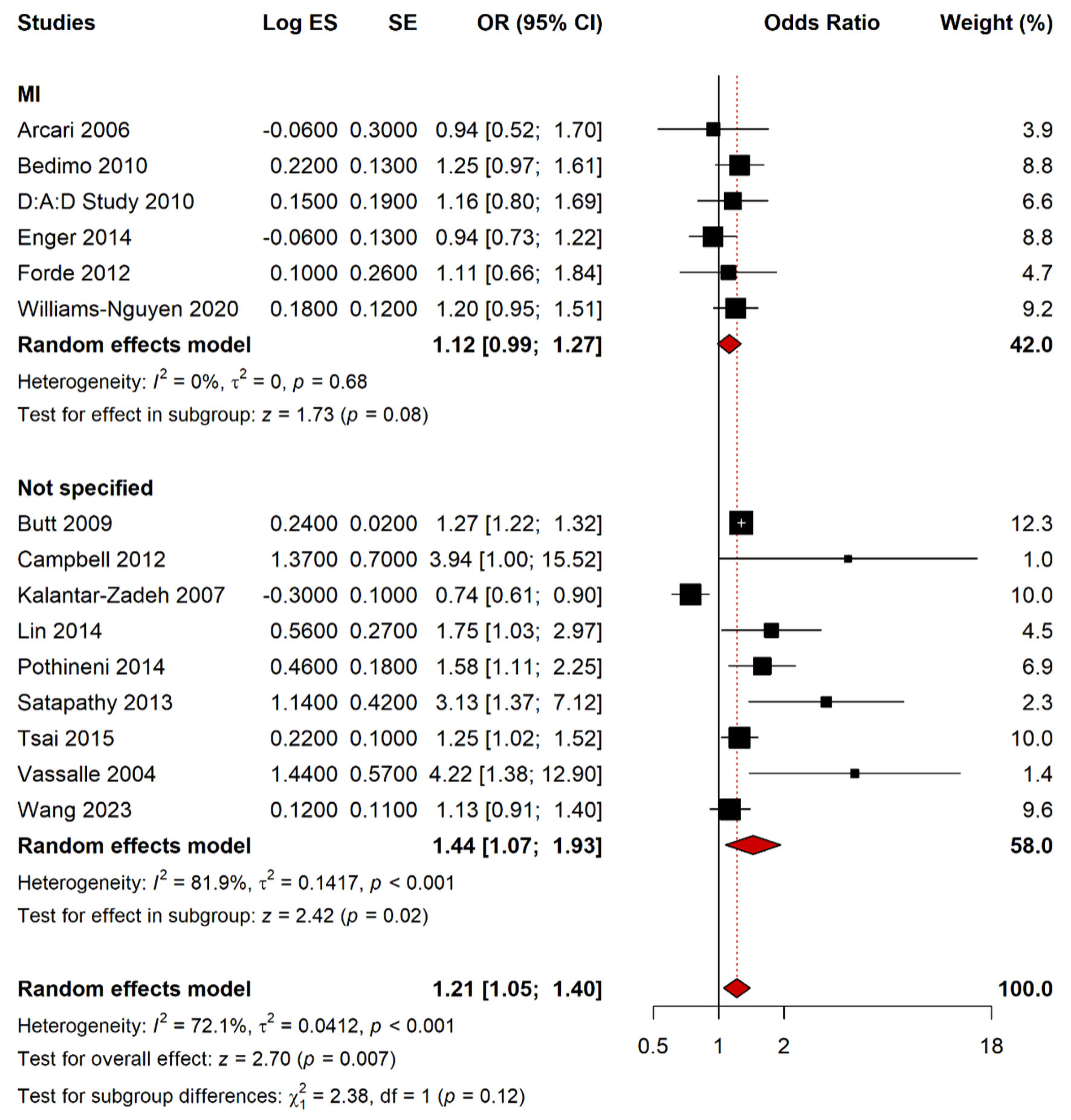 Click for large image | Figure 6. Forest plot of the association between HCV infection and CAD, stratified by CAD outcome type. HCV: hepatitis C virus; CAD: coronary artery disease; MI: myocardial infarction; CI: confidence interval. |
Meta-regression did not identify statistically significant associations with mean follow-up duration (P = 0.15), mean age (P = 0.342), or the proportion of male participants (P = 0.92) (Fig. 7; Supplementary Materials 5, 6, cr.elmerpub.com). These study-level analyses were exploratory and may have been underpowered.
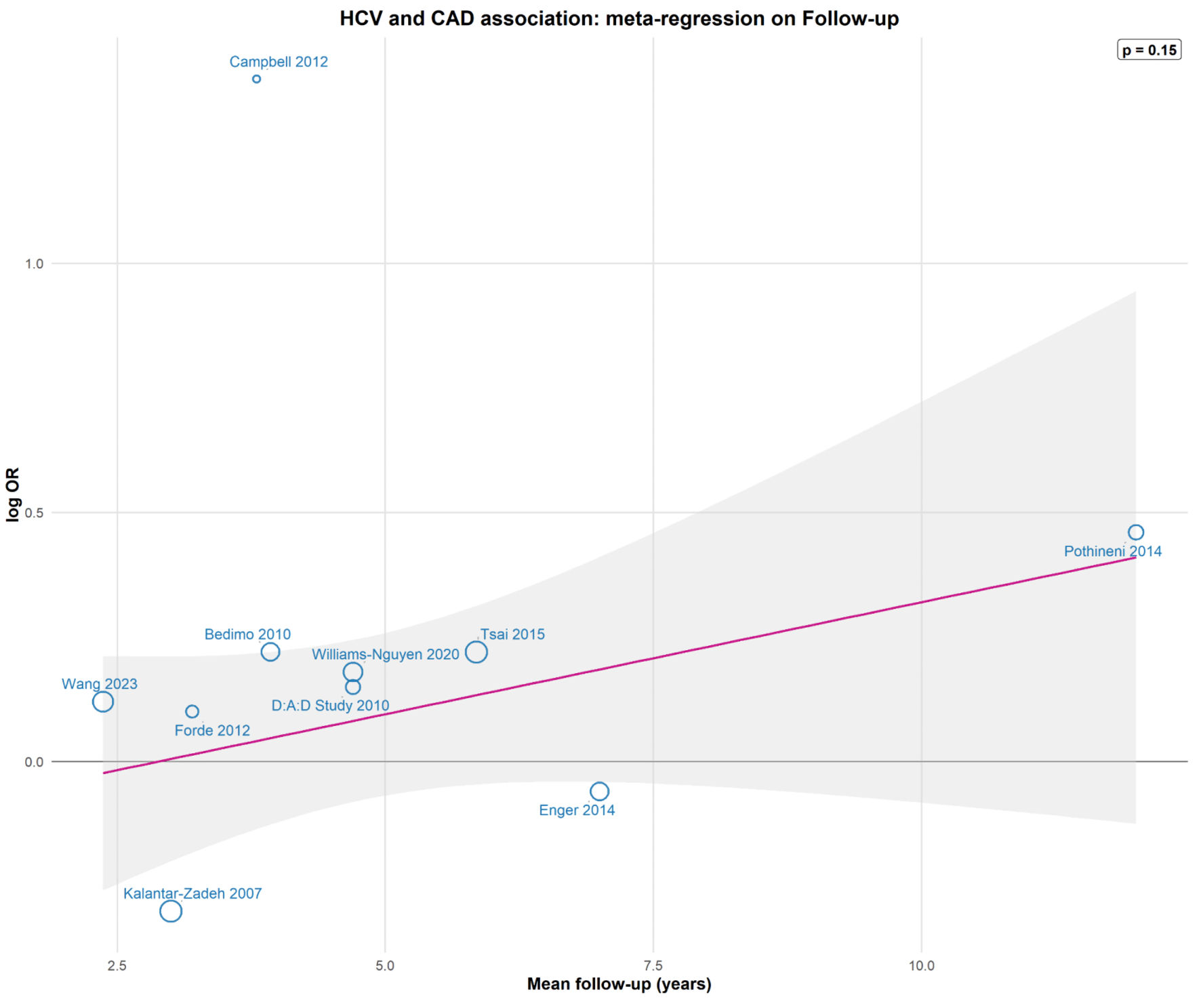 Click for large image | Figure 7. Meta-regression of follow-up duration for the association between HCV infection and CAD. HCV: hepatitis C virus; CAD: coronary artery disease. |
| Discussion | ▴Top |
This meta-analysis found a modest positive association between chronic HCV infection and CAD (summary estimate 1.21), but the interpretation is constrained by substantial between-study heterogeneity and by the combination of clinically distinct outcomes and effect measures. The association was present in cohort studies and in both HIV-stratified subgroups, whereas the MI-specific subgroup did not reach statistical significance. Accordingly, the findings support a small epidemiological association but do not establish that HCV is an independent causal risk factor or that the association has clear clinical importance for an individual patient.
Several mechanisms could plausibly contribute to an association, including systemic inflammation, endothelial dysfunction, oxidative stress, and HCV-related steatosis and insulin resistance [6–9]. At the same time, active HCV infection is often associated with lower LDL cholesterol, which would ordinarily be expected to attenuate atherosclerotic risk [10, 11]. These countervailing biological features reinforce that mechanistic plausibility alone cannot establish causality and that treatment era, comorbidity, and residual confounding must be considered.
The contrast between MI-specific and broader CAD outcomes may reflect endpoint heterogeneity rather than a true mechanistic difference. Adjudicated incident MI, ICD-coded ACS/CAD, ischemic electrocardiographic findings, revascularization, and cardiovascular mortality are not clinically interchangeable. This concern is supported by the leave-one-out analysis: removing the study of Kalantar-Zadeh et al [29], a hemodialysis cohort with cardiovascular mortality rather than incident CAD as the endpoint, reduced I2 from 72.1% to 42.8% [29]. The primary pooled estimate is therefore best interpreted as an average association across heterogeneous cardiovascular definitions, not as a precise estimate for incident MI.
The overall direction and magnitude of the association are broadly consistent with prior syntheses rather than uniquely novel. Ambrosino et al reported a CAD estimate of 1.43 [12]. Petta et al separately evaluated cardiovascular mortality, carotid atherosclerosis, and cerebrocardiovascular events in 22 studies [13]. Lee et al included 36 longitudinal studies and reported a pooled RR of 1.28 (95% CI, 1.18–1.39), with separate analyses for composite cardiovascular events, MI, and stroke [14]. The present review contributes an updated CAD-focused dataset, HIV-stratified exploratory analyses, and study-level meta-regression, but it should not be interpreted as the first outcome-stratified synthesis or as superseding the larger analysis by Lee et al [14].
The HIV-stratified findings also require caution. Only four studies contributed to the HIV-specific quantitative subgroup, although three additional HIV-focused reports (Freiberg et al (2011) [17], Freiberg et al (2013) [25], and Lang et al (2022) [32]) were included in the qualitative review. The identical subgroup point estimates and nonsignificant interaction test do not establish equivalence or independence from HIV status. The subgroup is better viewed as hypothesis-generating pending a prospectively specified analysis with complete, non-overlapping study-level estimates.
Strengths
Strengths include a comprehensive four-database search without date or language restrictions, duplicate screening and extraction, use of adjusted estimates, and prespecified subgroup and meta-regression analyses. Based on reported study totals, the 15 quantitatively pooled studies represented approximately 726,784 participant records, and all 21 included reports represented approximately 1.27 million participant records. Because several reports drew from large administrative or veteran cohorts and may contain overlapping source populations, these aggregates should not be interpreted as numbers of unique individuals.
Limitations
First, all included studies were observational, so residual confounding remains likely. Renal disease is particularly important because chronic kidney disease and end-stage renal disease strongly influence CAD and cardiovascular mortality, yet renal function was inconsistently measured or adjusted across studies. The influence of the Kalantar-Zadeh et al [29] hemodialysis cohort underscores this concern. Other incompletely captured factors included HCV genotype and viral load, cirrhosis severity, smoking and substance use, socioeconomic factors, HIV-related characteristics, and baseline cardiovascular risk.
Second, antiviral exposure varied across treatment eras and was not sufficiently reported to distinguish untreated infection, interferon-based therapy, and direct-acting antiviral regimens or to examine specific agents, treatment duration, sustained virologic response, or time since cure. Lipid-lowering therapy and other cardioprotective treatments were also inconsistently reported between HCV groups and could have modified outcomes. Consequently, this review cannot estimate the cardiovascular effect of antiviral therapy or lipid-lowering treatment.
Third, HRs, RRs, and ORs were pooled as log-relative measures despite differences in their mathematical interpretation, baseline event risks, follow-up duration, and covariate adjustment. The rare-outcome assumption could not be verified because cumulative incidence and absolute event rates were inconsistently reported, which is particularly relevant to cardiovascular mortality in end-stage renal disease. Adjusted ORs are also non-collapsible, and the materially different covariate sets shown in Table 1 [16–36] further limit comparability. The aggregate information and original analysis files available for this revision were insufficient to perform reliable effect-measure-specific sensitivity analyses, a new primary analysis excluding Kalantar-Zadeh et al [29], or a post hoc expansion of the HIV subgroup while resolving non-equivalent comparators and potential cohort overlap. These unavailable analyses are therefore acknowledged as limitations rather than replaced by unverified estimates.
Fourth, outcome definitions and HCV ascertainment varied, many outcomes were identified from ICD codes, and substantial residual heterogeneity remained unexplained. The population was dominated by male US veteran cohorts, limiting generalizability to women and non-Western populations; sex-related differences may influence cardiovascular outcomes [37–39]. The visually asymmetric funnel plot raises concern for small-study or publication effects despite a nonsignificant Egger test, which has limited power in this setting.
Conclusions
Chronic HCV infection was associated with a modest increase in the pooled relative estimate for CAD, but the clinical significance is uncertain. Substantial heterogeneity, non-equivalent endpoints and populations, residual confounding, and effect-measure limitations prevent causal interpretation. The nonsignificant MI-specific analysis and the sensitivity of heterogeneity to a hemodialysis cardiovascular-mortality study further support caution. These data do not demonstrate that antiviral therapy reduces CAD. Future prospective studies should use standardized incident CAD and MI endpoints and report renal function, HCV treatment regimen and virologic response, lipid-lowering therapy, and absolute event rates.
| Supplementary Material | ▴Top |
Suppl 1. Search strategy across databases.
Suppl 2. Risk of bias assessment for cohort and case-control studies using the NOS tool.
Suppl 3. Risk of bias assessment of cross-sectional studies using the NOS tool.
Suppl 4. Leave-one-out meta-analysis for the association between HCV and CAD.
Suppl 5. Meta-regression on age for the association between HCV and CAD.
Suppl 6. Meta-regression on male gender for the association between HCV and CAD.
Acknowledgments
None to declare.
Financial Disclosure
No specific funding was received for this study.
Conflict of Interest
The author declares no conflict of interest.
Informed Consent
Not applicable. This systematic review and meta-analysis used data from previously published studies and did not involve direct participant recruitment or collection of identifiable individual-level data.
Author Contributions
Ali Alhashli: Conceptualization, methodology, investigation, data curation, formal analysis, visualization, writing – original draft, and writing – review and editing. The author approved the final manuscript.
Data Availability
Any inquiries regarding supporting data availability of this study should be directed to the corresponding author.
| References | ▴Top |
- Polaris Observatory HCVC. Global prevalence and genotype distribution of hepatitis C virus infection in 2015: a modelling study. Lancet Gastroenterol Hepatol. 2017;2(3):161-176.
doi pubmed - The Polaris Observatory HCV Collaborators. Global change in hepatitis C virus prevalence and cascade of care between 2015 and 2020: a modelling study. Lancet Gastroenterol Hepatol. 2022;7(5):396-415.
doi pubmed - Songtanin B, Nugent K. Burden, outcome, and comorbidities of extrahepatic manifestations in hepatitis C virus infection. Biology (Basel). 2022;12(1):23.
doi pubmed - Cacoub P, Gragnani L, Comarmond C, Zignego AL. Extrahepatic manifestations of chronic hepatitis C virus infection. Dig Liver Dis. 2014;46(Suppl 5):S165-173.
doi pubmed - Wen D, Du X, Dong JZ, Ma CS. Hepatitis C virus infection and risk of coronary artery disease: A meta-analysis. Eur J Intern Med. 2019;63:69-73.
doi pubmed - Oliveira CP, Kappel CR, Siqueira ER, Lima VM, Stefano JT, Michalczuk MT, Marini SS, et al. Effects of hepatitis C virus on cardiovascular risk in infected patients: a comparative study. Int J Cardiol. 2013;164(2):221-226.
doi pubmed - Zampino R, Marrone A, Restivo L, Guerrera B, Sellitto A, Rinaldi L, Romano C, et al. Chronic HCV infection and inflammation: Clinical impact on hepatic and extra-hepatic manifestations. World J Hepatol. 2013;5(10):528-540.
doi pubmed - Adinolfi LE, Restivo L, Zampino R, Guerrera B, Lonardo A, Ruggiero L, Riello F, et al. Chronic HCV infection is a risk of atherosclerosis. Role of HCV and HCV-related steatosis. Atherosclerosis. 2012;221(2):496-502.
doi pubmed - Boddi M, Abbate R, Chellini B, Giusti B, Giannini C, Pratesi G, Rossi L, et al. Hepatitis C virus RNA localization in human carotid plaques. J Clin Virol. 2010;47(1):72-75.
doi pubmed - Marzouk D, Sass J, Bakr I, El Hosseiny M, Abdel-Hamid M, Rekacewicz C, Chaturvedi N, et al. Metabolic and cardiovascular risk profiles and hepatitis C virus infection in rural Egypt. Gut. 2007;56(8):1105-1110.
doi pubmed - Roed T, Lebech AM, Kjaer A, Weis N. Hepatitis C virus infection and risk of coronary artery disease: a systematic review of the literature. Clin Physiol Funct Imaging. 2012;32(6):421-430.
doi pubmed - Ambrosino P, Lupoli R, Di Minno A, Tarantino L, Spadarella G, Tarantino P, Nasto A, et al. The risk of coronary artery disease and cerebrovascular disease in patients with hepatitis C: A systematic review and meta-analysis. Int J Cardiol. 2016;221:746-754.
doi pubmed - Petta S, Maida M, Macaluso FS, Barbara M, Licata A, Craxi A, Camma C. Hepatitis C virus infection is associated with increased cardiovascular mortality: a meta-analysis of observational studies. Gastroenterology. 2016;150(1):145-155.e4.
doi pubmed - Lee KK, Stelzle D, Bing R, Anwar M, Strachan F, Bashir S, Newby DE, et al. Global burden of atherosclerotic cardiovascular disease in people with hepatitis C virus infection: a systematic review, meta-analysis, and modelling study. Lancet Gastroenterol Hepatol. 2019;4(10):794-804.
doi pubmed - Page MJ, McKenzie JE, Bossuyt PM, Boutron I, Hoffmann TC, Mulrow CD, Shamseer L, et al. The PRISMA 2020 statement: an updated guideline for reporting systematic reviews. BMJ. 2021;372:n71.
doi pubmed - Enger C, Forssen UM, Bennett D, Theodore D, Shantakumar S, McAfee A. Thromboembolic events among patients with hepatitis C virus infection and cirrhosis: a matched-cohort study. Adv Ther. 2014;31(8):891-903.
doi pubmed - Freiberg MS, Chang CC, Skanderson M, McGinnis K, Kuller LH, Kraemer KL, Rimland D, et al. The risk of incident coronary heart disease among veterans with and without HIV and hepatitis C. Circ Cardiovasc Qual Outcomes. 2011;4(4):425-432.
doi pubmed - Lin MS, Guo SE, Chen MY, Huang TJ, Huang JC, Hu JH, Lin YS. The impact of hepatitis C infection on ischemic heart disease via ischemic electrocardiogram. Am J Med Sci. 2014;347(6):478-484.
doi pubmed - Forde KA, Haynes K, Troxel AB, Trooskin S, Osterman MT, Kimmel SE, Lewis JD, et al. Risk of myocardial infarction associated with chronic hepatitis C virus infection: a population-based cohort study. J Viral Hepat. 2012;19(4):271-277.
doi pubmed - Butt AA, Yan P, Chew KW, Currier J, Corey K, Chung RT, Shuaib A, et al. Risk of acute myocardial infarction among hepatitis C virus (HCV)-positive and HCV-negative men at various lipid levels: results from ERCHIVES. Clin Infect Dis. 2017;65(4):557-565.
doi pubmed - Campbell LJ, Desai M, Hegazi A, Ibrahim F, Melikian N, Hay P, Fox JM, et al. Renal impairment is associated with coronary heart disease in HIV-positive men. HIV Clin Trials. 2012;13(6):343-349.
doi pubmed - Arcari CM, Nelson KE, Netski DM, Nieto FJ, Gaydos CA. No association between hepatitis C virus seropositivity and acute myocardial infarction. Clin Infect Dis. 2006;43(6):e53-56.
doi pubmed - Tsai MS, Hsu YC, Yu PC, Lin CL, Kao CH. Long-term risk of acute coronary syndrome in hepatitis C virus infected patients without antiviral treatment: A cohort study from an endemic area. Int J Cardiol. 2015;181:27-29.
doi pubmed - Pothineni NV, Delongchamp R, Vallurupalli S, Ding Z, Dai Y, Hagedorn CH, Mehta JL. Impact of hepatitis C seropositivity on the risk of coronary heart disease events. Am J Cardiol. 2014;114(12):1841-1845.
doi pubmed - Freiberg MS, Chang CC, Kuller LH, Skanderson M, Lowy E, Kraemer KL, Butt AA, et al. HIV infection and the risk of acute myocardial infarction. JAMA Intern Med. 2013;173(8):614-622.
doi pubmed - Satapathy SK, Kim YJ, Kataria A, Shifteh A, Bhansali R, Cerulli MA, Bernstein D. Higher prevalence and more severe coronary artery disease in hepatitis C virus-infected patients: a case control study. J Clin Exp Hepatol. 2013;3(3):186-191.
doi pubmed - Butt AA, Xiaoqiang W, Budoff M, Leaf D, Kuller LH, Justice AC. Hepatitis C virus infection and the risk of coronary disease. Clin Infect Dis. 2009;49(2):225-232.
doi pubmed - Bedimo R, Westfall AO, Mugavero M, Drechsler H, Khanna N, Saag M. Hepatitis C virus coinfection and the risk of cardiovascular disease among HIV-infected patients. HIV Med. 2010;11(7):462-468.
doi pubmed - Kalantar-Zadeh K, Kilpatrick RD, McAllister CJ, Miller LG, Daar ES, Gjertson DW, Kopple JD, et al. Hepatitis C virus and death risk in hemodialysis patients. J Am Soc Nephrol. 2007;18(5):1584-1593.
doi pubmed - The Data Collection on Adverse Events of Anti-HIV Drugs (D:A:D) Study Group, Weber R, Sabin C, Reiss P, de Wit S, Worm SW, Law M, et al. HBV or HCV coinfections and risk of myocardial infarction in HIV-infected individuals: the D:A:D Cohort Study. Antivir Ther. 2010;15(8):1077-1086.
doi pubmed - Vassalle C, Masini S, Bianchi F, Zucchelli GC. Evidence for association between hepatitis C virus seropositivity and coronary artery disease. Heart. 2004;90(5):565-566.
doi pubmed - Lang R, Humes E, Hogan B, Lee J, D'Agostino R, Massaro J, Kim A, et al. Evaluating the cardiovascular risk in an aging population of people with HIV: the impact of hepatitis C virus coinfection. J Am Heart Assoc. 2022;11(19):e026473.
doi pubmed - Butt AA, Khan UA, McGinnis KA, Skanderson M, Kent Kwoh C. Co-morbid medical and psychiatric illness and substance abuse in HCV-infected and uninfected veterans. J Viral Hepat. 2007;14(12):890-896.
doi pubmed - Wang W, Chen C, Re VL, 3rd, Chang SH, Wilson DL, Park H. Association between treatment of hepatitis C virus and risk of cardiovascular disease among insured patients with the virus in the United States. Pharmacoepidemiol Drug Saf. 2023;32(10):1142-1151.
doi pubmed - Williams-Nguyen J, Hawes SE, Nance RM, Lindstrom S, Heckbert SR, Kim HN, Mathews WC, et al. Association between chronic hepatitis C virus infection and myocardial infarction among people living with HIV in the United States. Am J Epidemiol. 2020;189(6):554-563.
doi pubmed - Hsu YC, Lin JT, Ho HJ, Kao YH, Huang YT, Hsiao NW, Wu MS, et al. Antiviral treatment for hepatitis C virus infection is associated with improved renal and cardiovascular outcomes in diabetic patients. Hepatology. 2014;59(4):1293-1302.
doi pubmed - Abdelazeem B, Amin A, Mansour A, et al. Sex Differences in cardiovascular outcomes among patients with elevated lipoprotein(a). Journal of Clinical Lipidology 2025;19:e59-60.
doi - Shubietah A, Rakab MS, Elgendy MS, Ahmed A, Murad MR, Abdul-Hafez HA, Zahran A, et al. Clinical outcomes in anemic women undergoing elective percutaneous coronary intervention: a retrospective cohort analysis. Cardiovasc Drugs Ther. 2026;40(3):1071-1084.
doi pubmed - Shubietah A, Elgendy MS, Rakab MS, Ahmed A, Abusalah B, Murad MR, Hamed BM, et al. Prognostic impact of baseline anemia on outcomes after elective PCI in men: a US retrospective cohort study. Catheter Cardiovasc Interv. 2026;107(7):2198-2213.
doi pubmed
This article is distributed under the terms of the Creative Commons Attribution 4.0 International License (CC BY 4.0), which permits unrestricted use, distribution, and reproduction in any medium, including commercial use, provided the original work is properly cited.
Cardiology Research is published by Elmer Press Inc.