Prediction of Risk of Cardiovascular Events in Patients With Stable Angina Using Artificial Intelligence: A Systematic Review
DOI:
https://doi.org/10.14740/cr2211Keywords:
Cardiovascular diseases, Stable angina, Artificial intelligence, Risk prediction, Machine learningAbstract
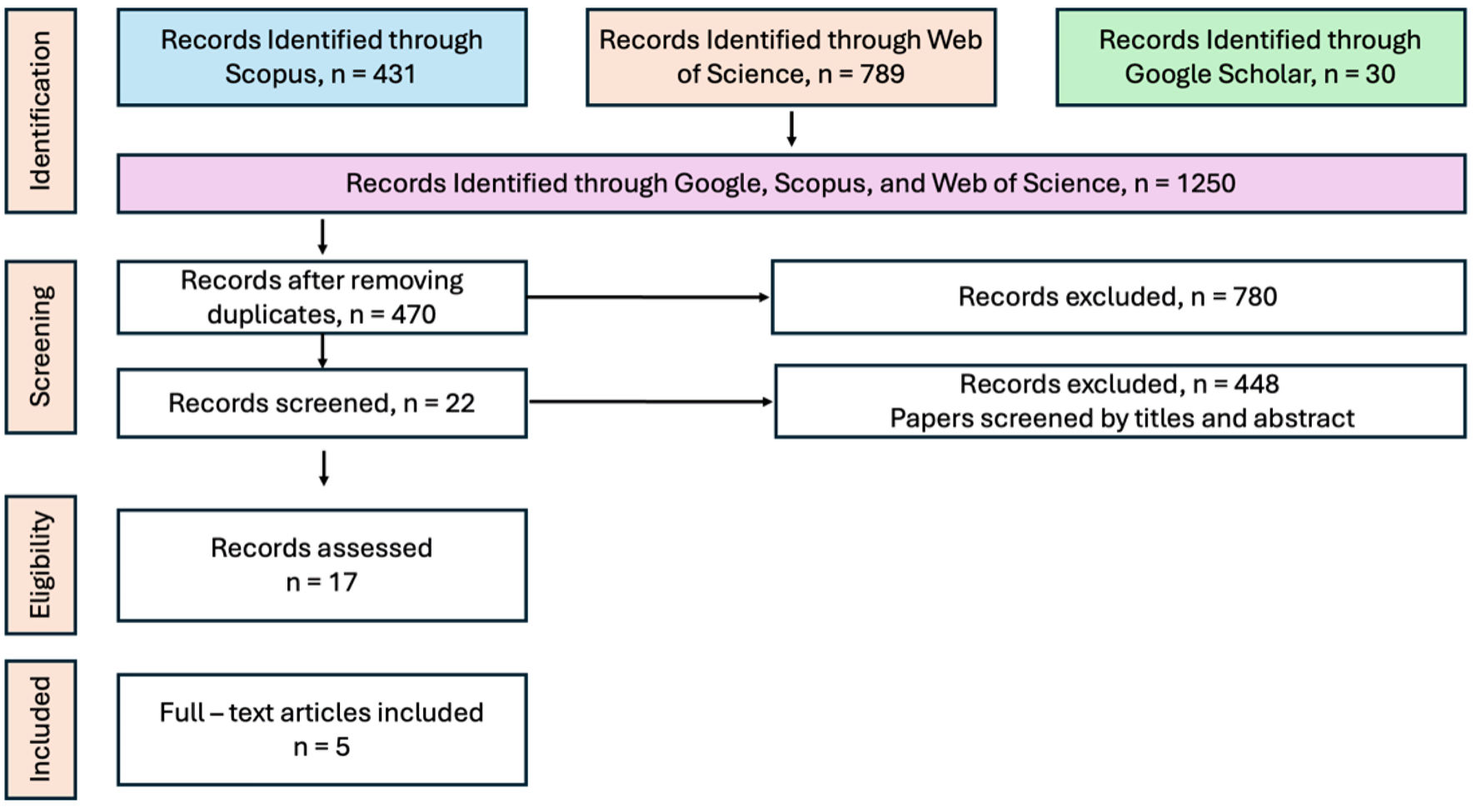
Stable angina pectoris is a prevalent condition with concerning symptoms and an increased risk of myocardial infarction (MI), stroke, heart failure, and mortality. Risk stratification is important in preventive care because the severity of the condition significantly impacts prognosis. With the availability of digital data such as electrocardiogram (ECG) and clinical variables, artificial intelligence (AI) approaches, including machine learning and deep learning, can be beneficial for risk prediction of chronic diseases, such as coronary artery disease (CAD), in patients with stable angina. At the same time, traditional approaches such as Diamond–Forrester, Framingham Risk Score, and PROCAM lag because they rely on linear and population-oriented assumptions. This systematic review, guided by the Preferred Reporting Items for Systematic Reviews and Meta-Analyses (PRISMA) 2020, evaluates AI models that have been developed to predict cardiovascular events in adults suffering from a stable angina condition. Out of 1,250 articles, only five research studies have been included because they predict the risk of cardiovascular diseases in patients suffering from stable angina. Data modalities in these studies include longitudinal electronic health record (EHR) variables, patient-reported outcomes (Seattle Angina Questionnaire), invasive angiography indices (e.g., Gensini score), and 12-lead ECG. With area under the curve (AUC) varying from moderate (about 0.78–0.83) to excellent (> 0.95) based on outcome and data richness, AI enhances discrimination for obstructive CAD and adverse outcomes across studies. This review highlights that there are a limited number of studies on this topic and a lack of clinical validity. Also, the final set of features in model development varies highly. Hence, heterogeneity, a lack of external validation, and implementation limitations exist.
Published
Issue
Section
License
Copyright (c) 2026 The authors

This work is licensed under a Creative Commons Attribution 4.0 International License.