

Dementia Is Associated With Higher One-Year Mortality and Worse Patient-Centered Outcomes in Patients Undergoing Percutaneous Coronary Intervention for Acute Myocardial Infarction and Cardiogenic Shock
DOI:
https://doi.org/10.14740/cr2121Keywords:
Dementia, PCI, STEMI, Cardiogenic shock, Coronary artery diseaseAbstract
Background: Recent trial data demonstrates improved outcomes for the treatment of ST-segment elevation myocardial infarction (STEMI) and cardiogenic shock (CS) with percutaneous coronary intervention (PCI) supported by mechanical circulatory support (MCS). Clinical outcomes in patients with Alzheimer’s disease and related dementias (ADRD), however, remain unknown, as these patients were excluded from relevant trials. Physicians and caregivers struggle to navigate time-sensitive decision making for patients with ADRD presenting with STEMI or CS. The aims of this study were to assess the association of ADRD with outcomes of PCI with MCS in the setting of STEMI or CS.
Methods: We compared outcomes among Medicare fee-for-service (FFS) beneficiaries aged 66 years or older, with and without ADRD, who underwent PCI with MCS for STEMI or CS from July 1, 2017 to December 31, 2019. The primary clinical outcome was inpatient mortality, and secondary clinical outcomes were 1-year mortality, complications, and readmissions. Patient-centered outcomes were time-at-home ratio and discharge to a higher level of care.
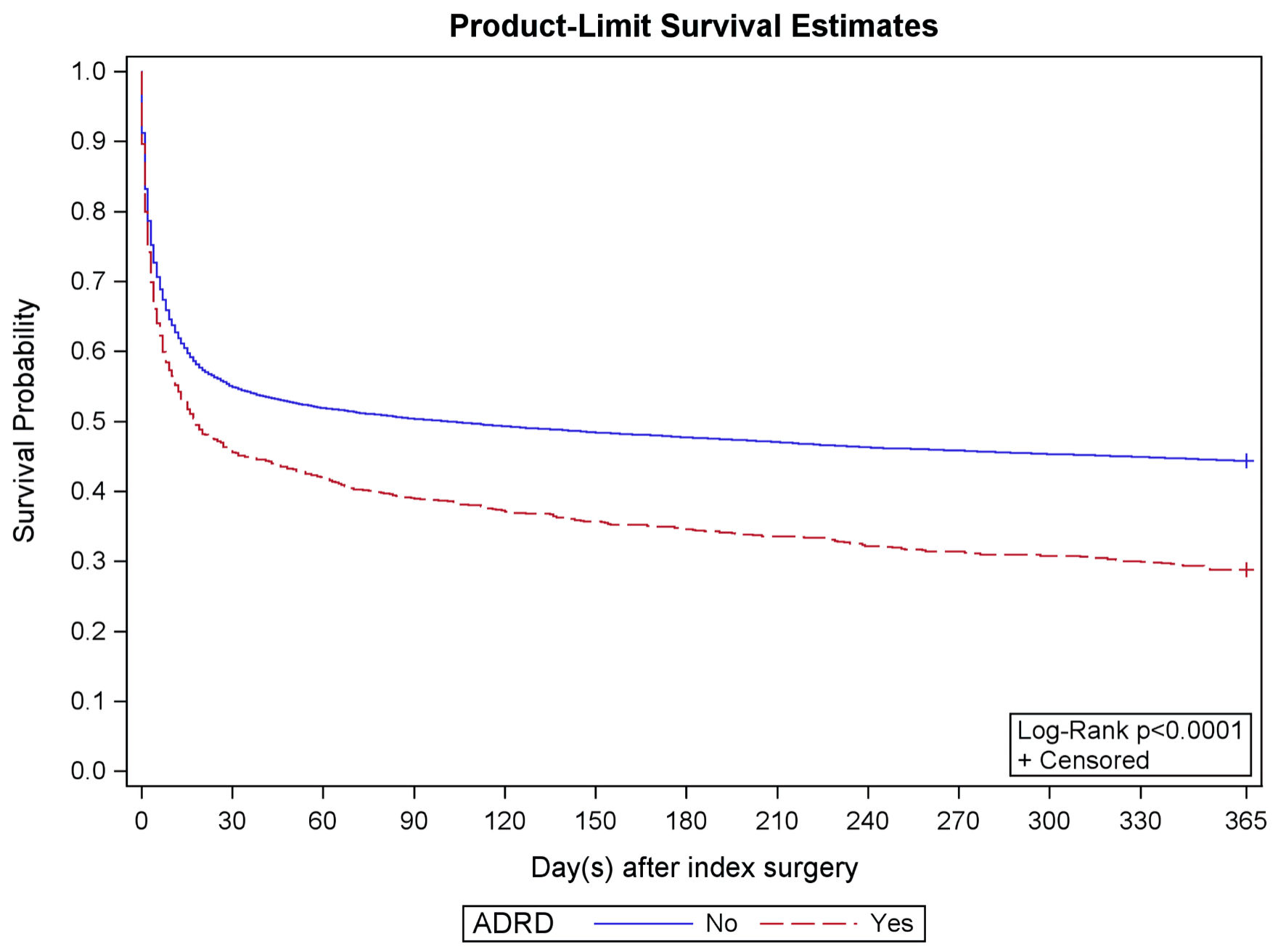
Results: A total of 13,110 patients undergoing PCI with MCS for STEMI or CS met study criteria, and 988 (7.5%) patients carried a diagnosis of ADRD. Patients with ADRD were more likely to be older (81.1 vs. 75.5, P < 0.001) and frail (47.0% vs. 22.0%, P < 0.001). Inpatient mortality was similar between groups (odds ratio (OR), 1.05; 95% confidence interval (CI), 0.92–1.21), but 1-year mortality was higher among patients with ADRD (OR, 1.41; 95% CI, 1.21–1.64). Major complications and readmissions were similar between groups. Patients with ADRD were more likely to be discharged to a higher level of care (OR, 1.46; 95% CI, 1.16–1.82) than those without ADRD but demonstrated a similar time-at-home ratio.
Conclusions: Patients with ADRD demonstrate similar rates of inpatient mortality and major complications but have higher rates of 1-year mortality and discharge to higher levels of care.
Published
Issue
Section
License
Copyright (c) 2026 The authors

This work is licensed under a Creative Commons Attribution 4.0 International License.