

Sugammadex: Safety Profile and Adverse Effects in Infants Less Than Two Years of Age With Congenital Heart Disease
DOI:
https://doi.org/10.14740/cr2243Keywords:
Sugammadex, Congenital heart disease, Adverse effects, BradycardiaAbstract
Background: Despite widespread clinical use and Food and Drug Administration (FDA) approval for use in patients from birth to < 2 years old in 2024, data regarding the safety and monitoring practices of sugammadex in infants with congenital heart disease (CHD) remains limited. While its efficacy has been demonstrated, adverse effects have been documented including bradycardia and allergic reactions, including anaphylaxis. These effects may be of particular concern in infants with CHD, who may be at a higher risk for hemodynamic instability.
Methods: The current study retrospectively evaluated a random sample of patients over a 10-year period to determine the efficacy, perioperative adverse effects, and neuromuscular monitoring practices associated with the administration of reversal agents for neuromuscular blocking agents in patients less than 2 years of age with CHD.
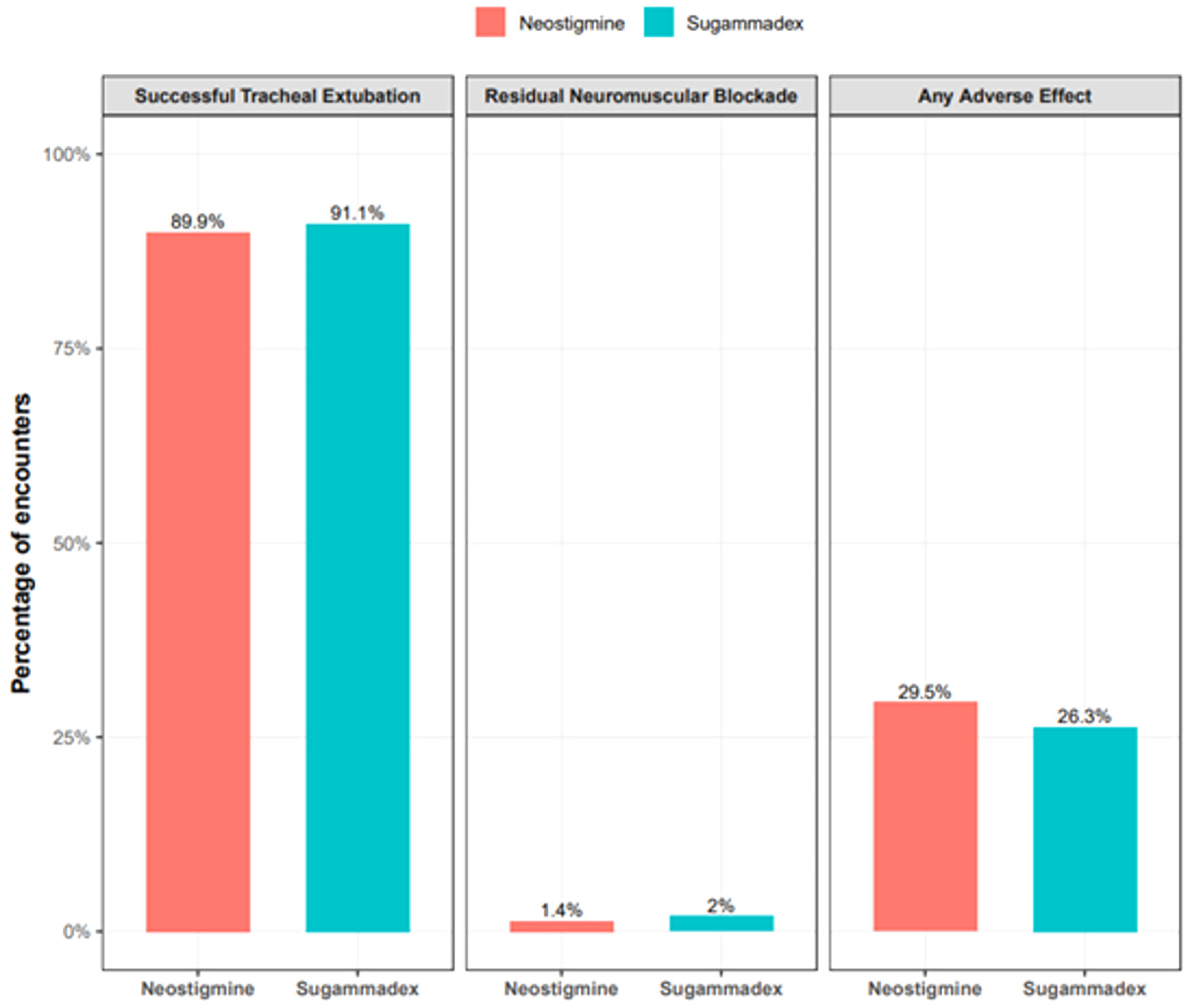
Results: The study cohort included 497 encounters across 375 unique patients with a median age of 7 months who received either sugammadex or neostigmine, which served as a historical comparator. Bradycardia occurred at a low and comparable rate in both groups (1.4%), and no cases of anaphylaxis were documented. Additional adverse events were heterogeneous and were likely attributable to the underlying CHD, associated comorbidities, and the hemodynamic complexity of the surgical procedures rather than to the reversal agent alone. Successful tracheal extubation was achieved in over 90% of encounters, with a similar rate between groups. Rate of residual neuromuscular blockade was also comparable between groups, though quantitative train-of-four (TOF) monitoring was inconsistently documented. Furthermore, wide variability in sugammadex dosing was observed, highlighting an opportunity for standardization in this high-risk pediatric population.
Conclusions: In the current cohort of infants with CHD, sugammadex was associated with a low incidence of perioperative adverse effects and rates of successful tracheal extubation similar to neostigmine. These patterns held despite higher ASA status among patients receiving sugammadex, which suggests greater baseline illness severity. Observed adverse events were heterogeneous and likely reflect the underlying clinical context in addition to any reversal agent effects. This study also highlights practice variability, including inconsistent documentation of quantitative TOF monitoring, which limits the ability to assess residual blockade and may contribute to variable dosing of sugammadex. In this physiologically vulnerable population, standardized monitoring and prospective data would help clarify how to best dose sugammadex. Taken together, these findings support the continued use of sugammadex in infants with CHD while highlighting the limits of current evidence. Larger, prospective studies with consistent monitoring are needed to better define the safe use of sugammadex in this population and to more clearly separate drug-related effects from other perioperative contributions to adverse events.
Published
Issue
Section
License
Copyright (c) 2026 The authors

This work is licensed under a Creative Commons Attribution 4.0 International License.