

Efficacy and Safety of Adjunctive Corticosteroids in Children With Kawasaki Disease: A Systematic Review and Meta-Analysis of Randomized Trials
DOI:
https://doi.org/10.14740/cr2300Keywords:
Kawasaki disease, Corticosteroids, Prednisolone, Methylprednisolone, Intravenous immunoglobulin, C-reactive protein, Coronary artery lesions, Meta-analysisAbstract
Background: Kawasaki disease is an acute pediatric vasculitis and a major cause of acquired heart disease in children. Although intravenous immunoglobulin (IVIG) with aspirin remains the standard treatment, some patients have persistent inflammation, IVIG resistance, or coronary complications. The role of adjunctive corticosteroids remains debated, particularly across different risk populations and corticosteroid regimens. This systematic review and meta-analysis evaluated the efficacy and safety of adjunctive corticosteroid therapy in children with Kawasaki disease.
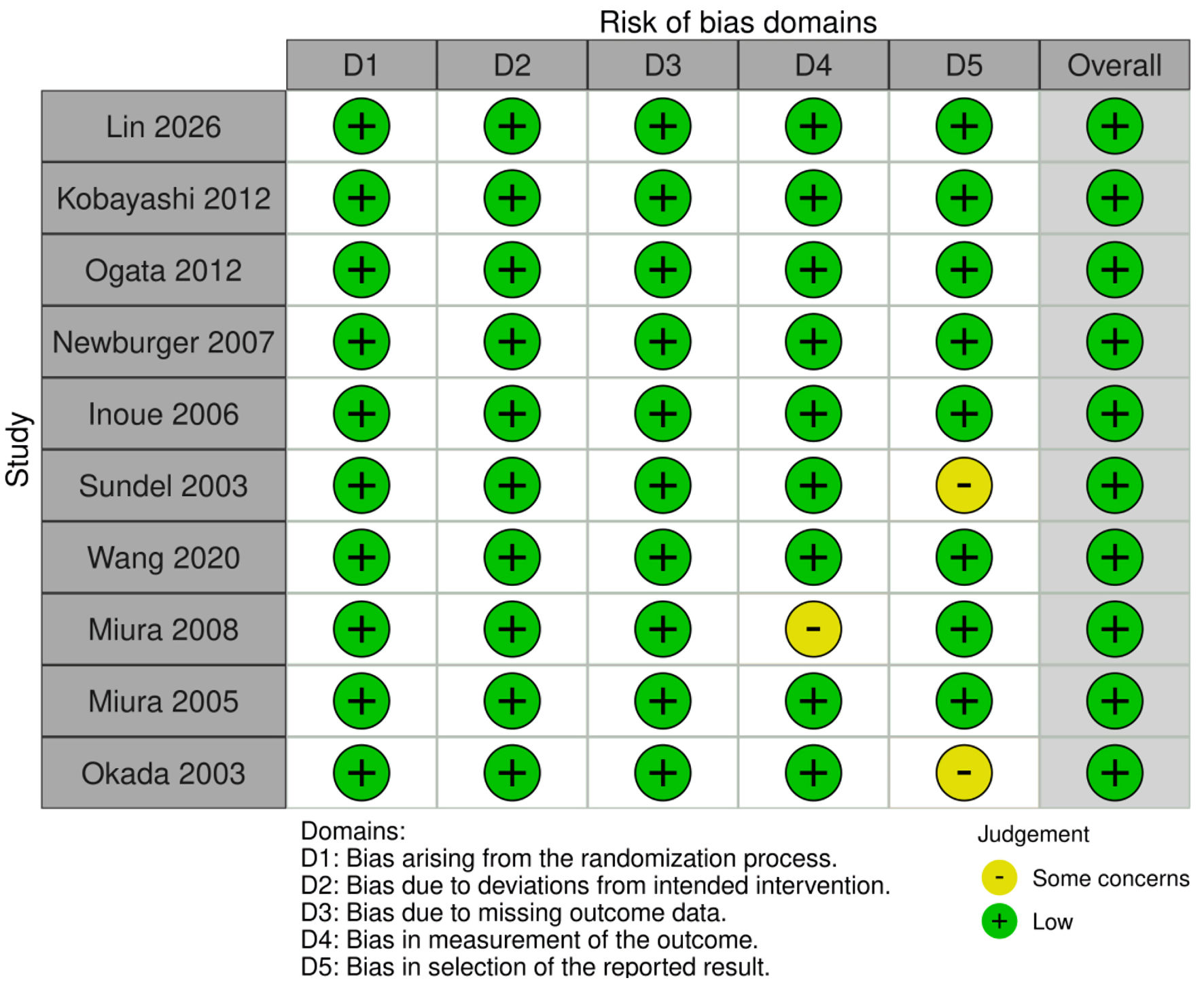
Methods: A systematic search of PubMed, Scopus, Cochrane CENTRAL, and Web of Science was conducted to identify randomized controlled trials comparing corticosteroid-containing treatment strategies with non-corticosteroid comparators, including standard IVIG-based initial treatment or additional IVIG in IVIG-resistant disease. The primary outcome was the change in C-reactive protein levels. Secondary outcomes included fever duration, IVIG resistance, laboratory markers, coronary outcomes, and adverse events. Pooled estimates were calculated using random-effects models and reported as mean differences (MD) or risk ratios with 95% confidence intervals (CIs).
Results: Ten randomized controlled trials, including 5,796 unique children, were included. Adjunctive corticosteroid therapy was associated with a greater reduction in C-reactive protein levels compared with usual care alone (MD, −11.05; 95% CI, −18.27 to −3.84; P = 0.0027; I2 = 34.3%, P = 0.179). Corticosteroid therapy also reduced fever duration (MD, −1.03; 95% CI, −1.70 to −0.36; P = 0.0025; I2 = 85.2%, P < 0.001) and white blood cell count (MD, −1.07; 95% CI, −1.98 to −0.17; P = 0.020; I2 = 0.0%, P = 0.887). No significant differences were observed in IVIG resistance, coronary artery lesions, large/giant aneurysms, any adverse event, or adverse events leading to discontinuation.
Conclusions: Adjunctive corticosteroids were associated with improved inflammatory and early clinical response in Kawasaki disease, mainly through greater C-reactive protein reduction and shorter fever duration. However, corticosteroids did not significantly reduce overall coronary outcomes, and no statistically significant increase in the pooled adverse-event outcomes was detected. These findings support selective, risk-based use rather than routine universal administration.
Published
Issue
Section
License
Copyright (c) 2026 The authors

This work is licensed under a Creative Commons Attribution 4.0 International License.